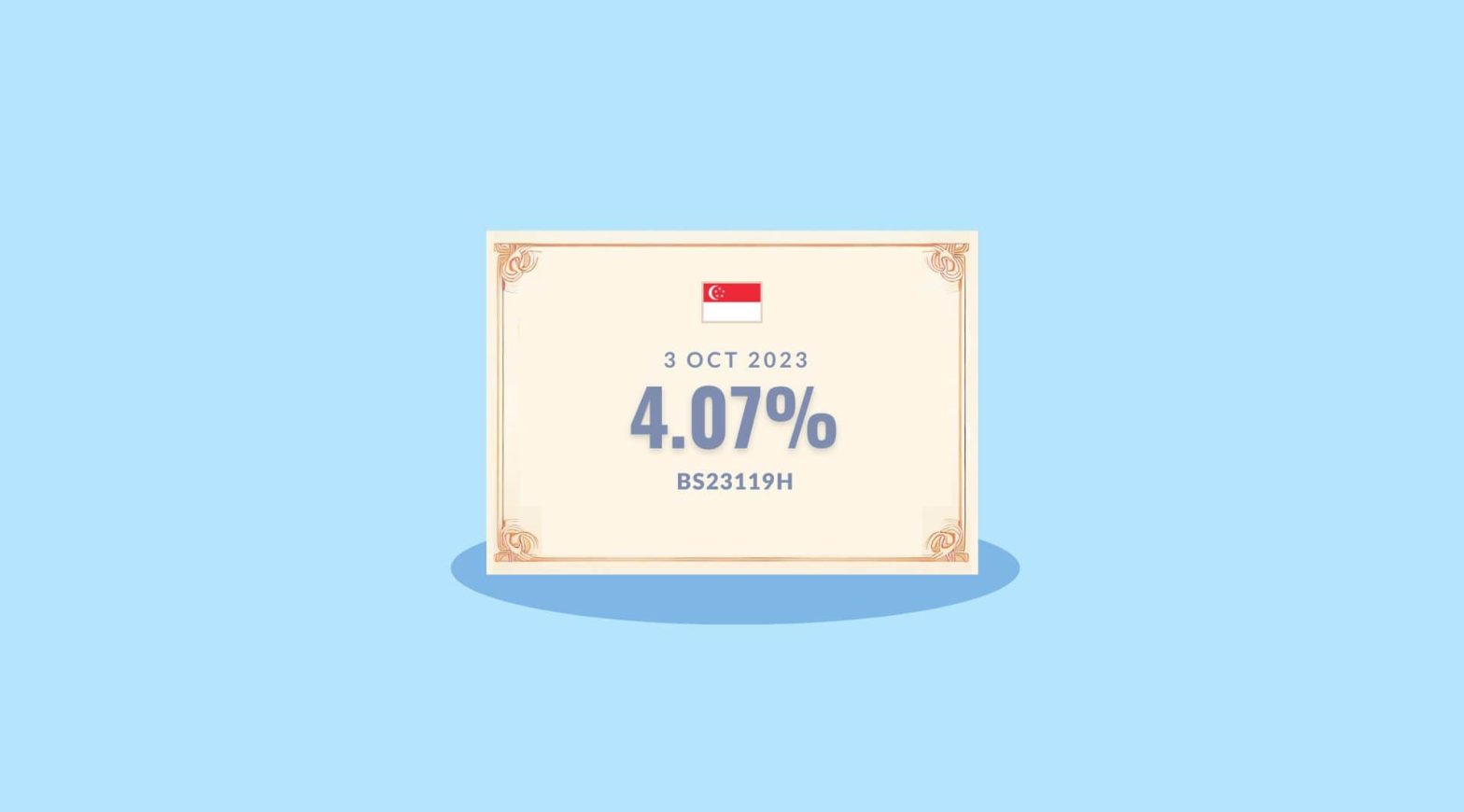
The auction for T-bill 3 Oct 2023 (BS23119H) has concluded, and the final cut-off yield jumped to 4.07%. Wow! After weeks of declining yield, all investors have been waiting for this rebound, and we finally got it.
Auction Result Summary
Let us take a look at this auction result:
Allotment
| Total Amount Allotted | S$5.3 billion |
| Amount Allotted to Non-Competitive Applications | S$1.8 billion |
| Total Amount Applied | S$9.3 billion |
| % of Competitive Applications at Cut-off Allotted | Approximately 99% |
| % of Non-Competitive Applications Allotted | 100% |
| Bid-to-Cover Ratio | 1.76 |
Yield and Price
| Cut-off Yield | 4.07% p.a. |
| Cut-off Price | 97.971 |
| Median Yield | 3.62% p.a. |
| Median Price | 98.195 |
| Average Yield | 3.51% p.a. |
| Average Price | 98.25 |
Source: MAS
Yield Back Above 4%
We have all been waiting for this great news: the cut-off yield for this T-bill 3 Oct 2023 (BS23119H) jumped to 4.07%! We last saw this level back in January 2023. Since then, the yield has declined, picking up steam again towards mid of this year before gradually decreasing again in the past several weeks.

With this significant rebound in the auction, T-bill yields are getting very attractive again. The current cut-off yield is significantly higher than other alternatives, such as fixed deposits and cash management accounts. The plus point is that T-bills have the lowest risk profile among these alternatives.
Lower Demand But Higher Non-Competitive Bids
The most apparent observation is the significantly lower demand in this T-bill 3 Oct 2023 (BS23119H) auction. Total applications in this auction totaled $9.3 billion, down from the previous auction’s $11.2 billion. Additionally, the non-competitive bids rose to $1.8 billion, up from $1.6 billion in the last auction.

This led us to believe demand is one of the factors driving the higher yield in this auction. The T-bill interest rate market has been stable, and short-term rates have not moved materially.
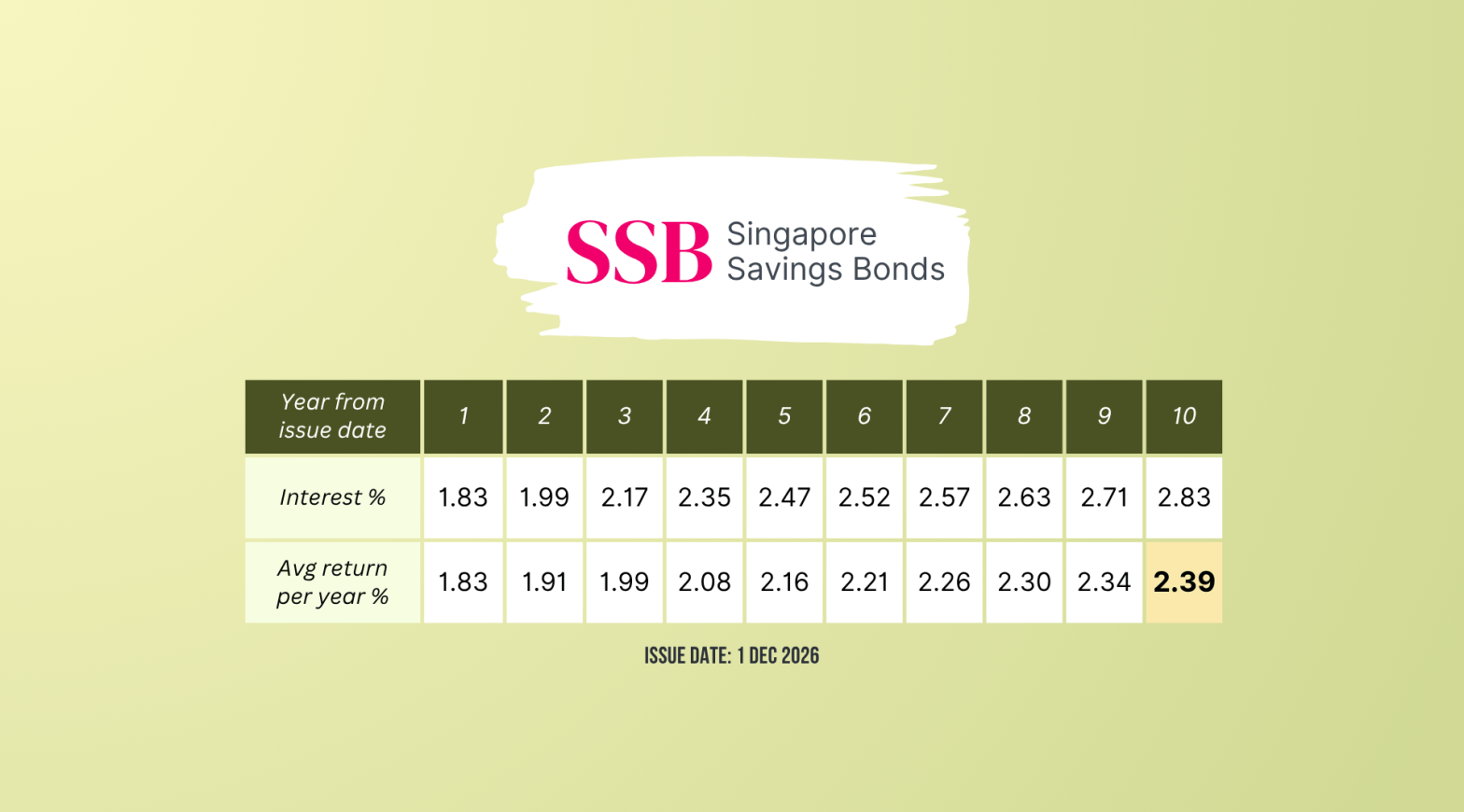
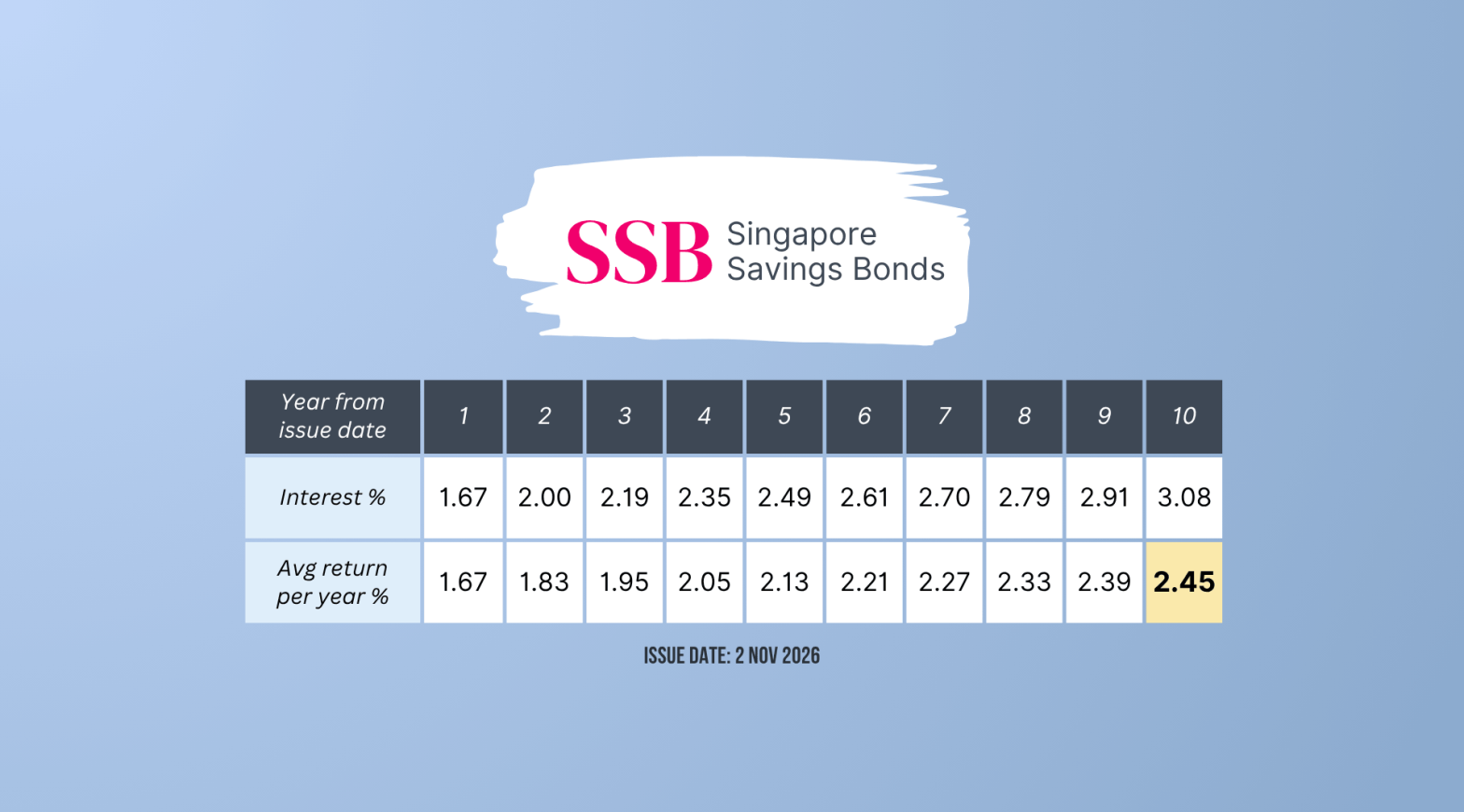
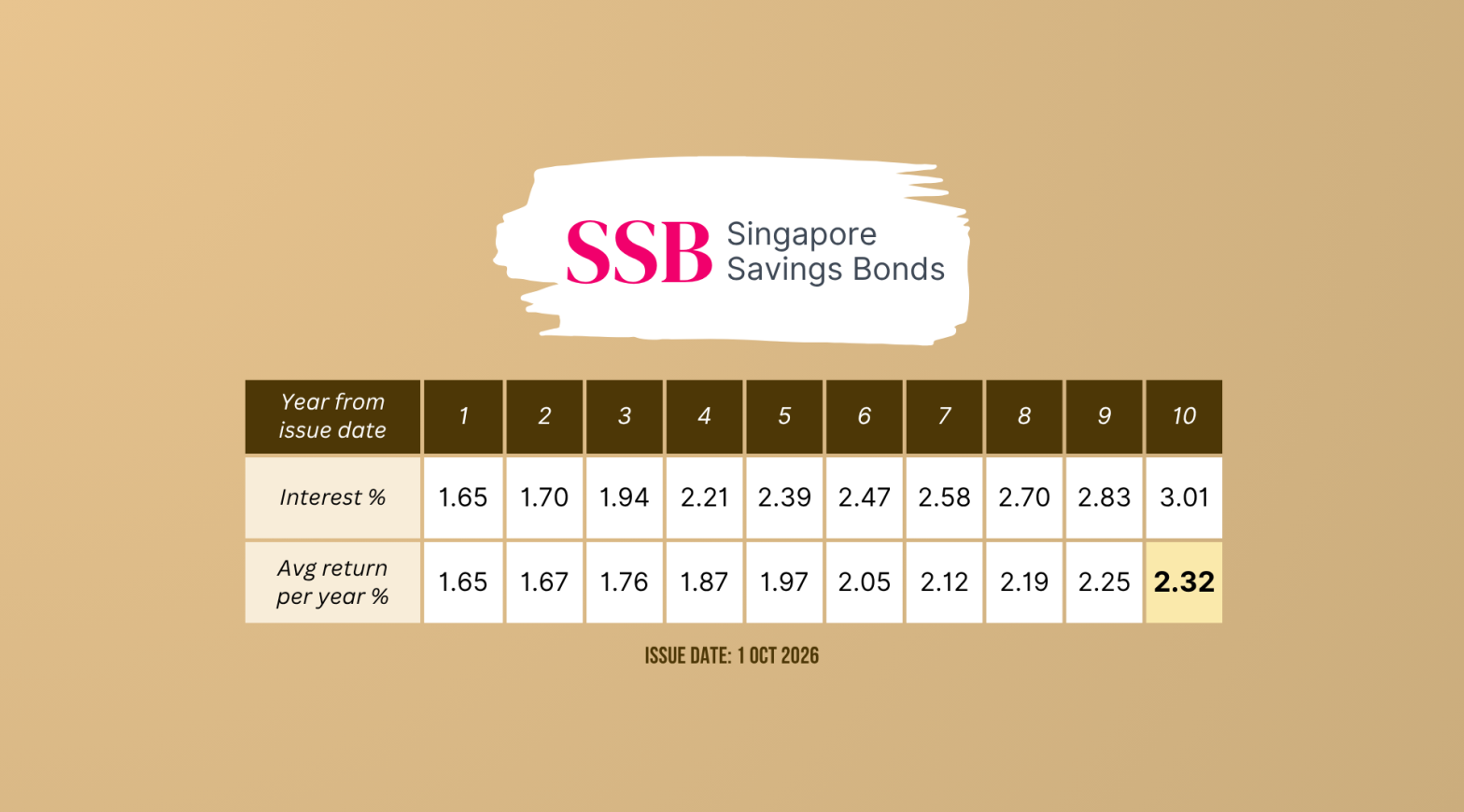
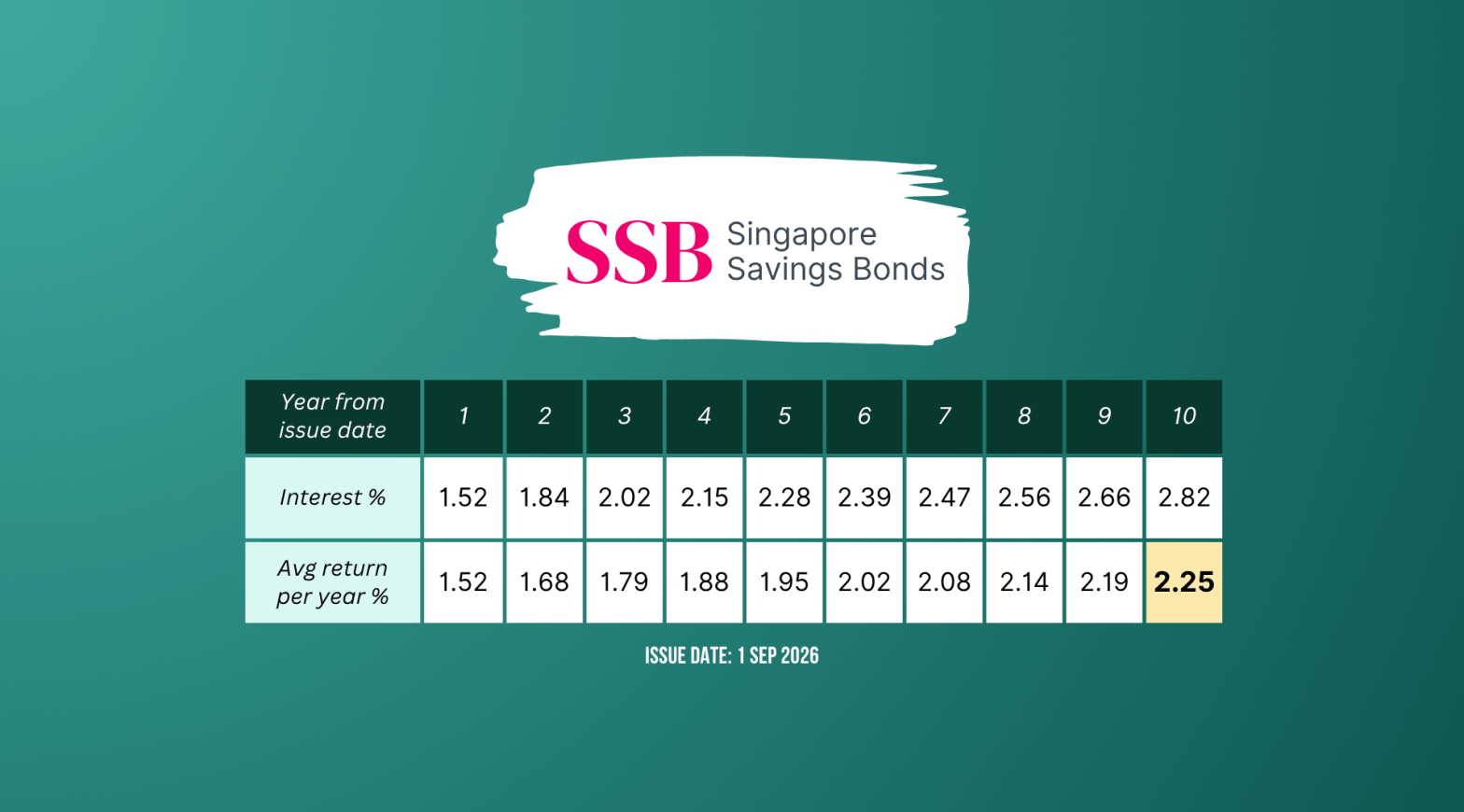
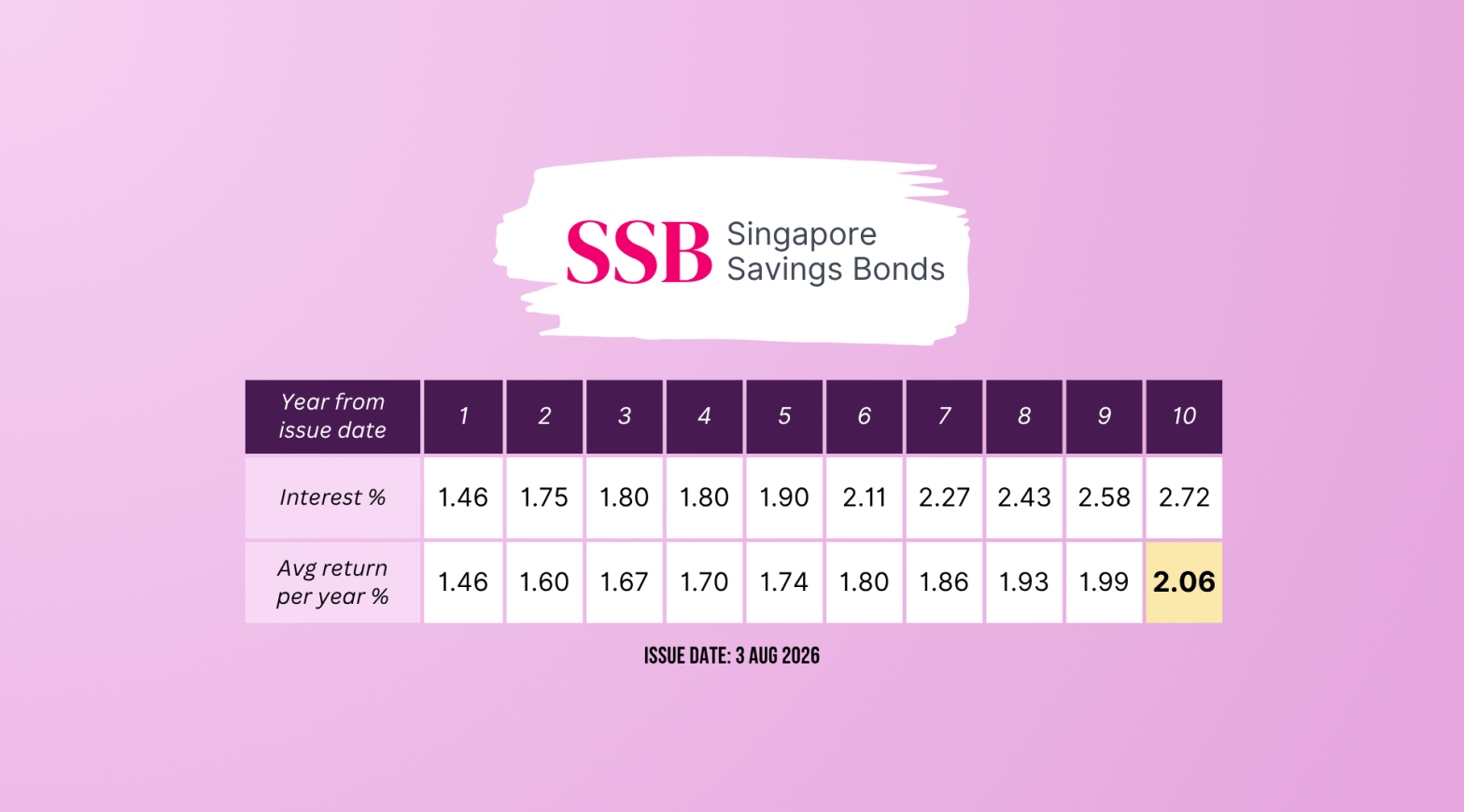
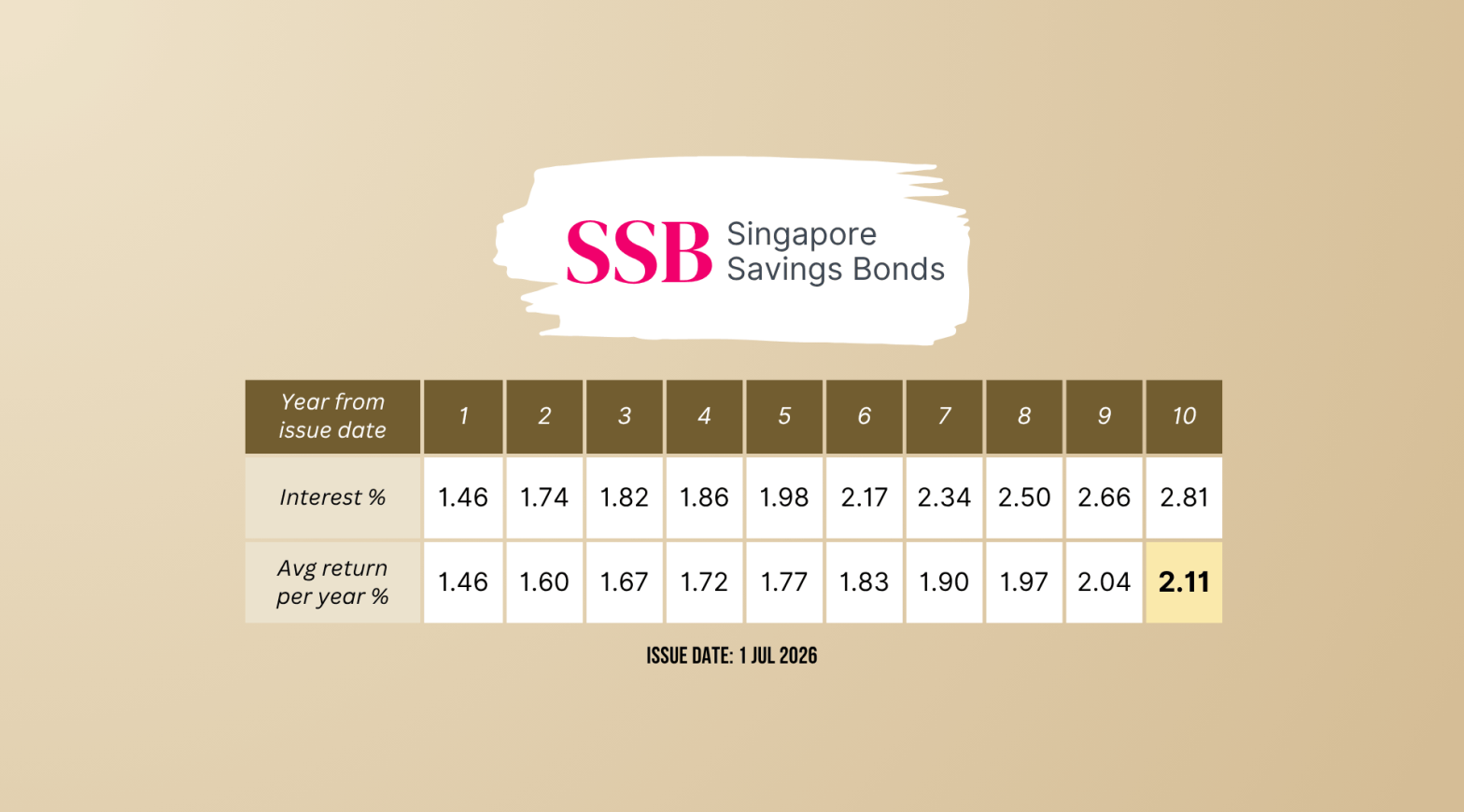
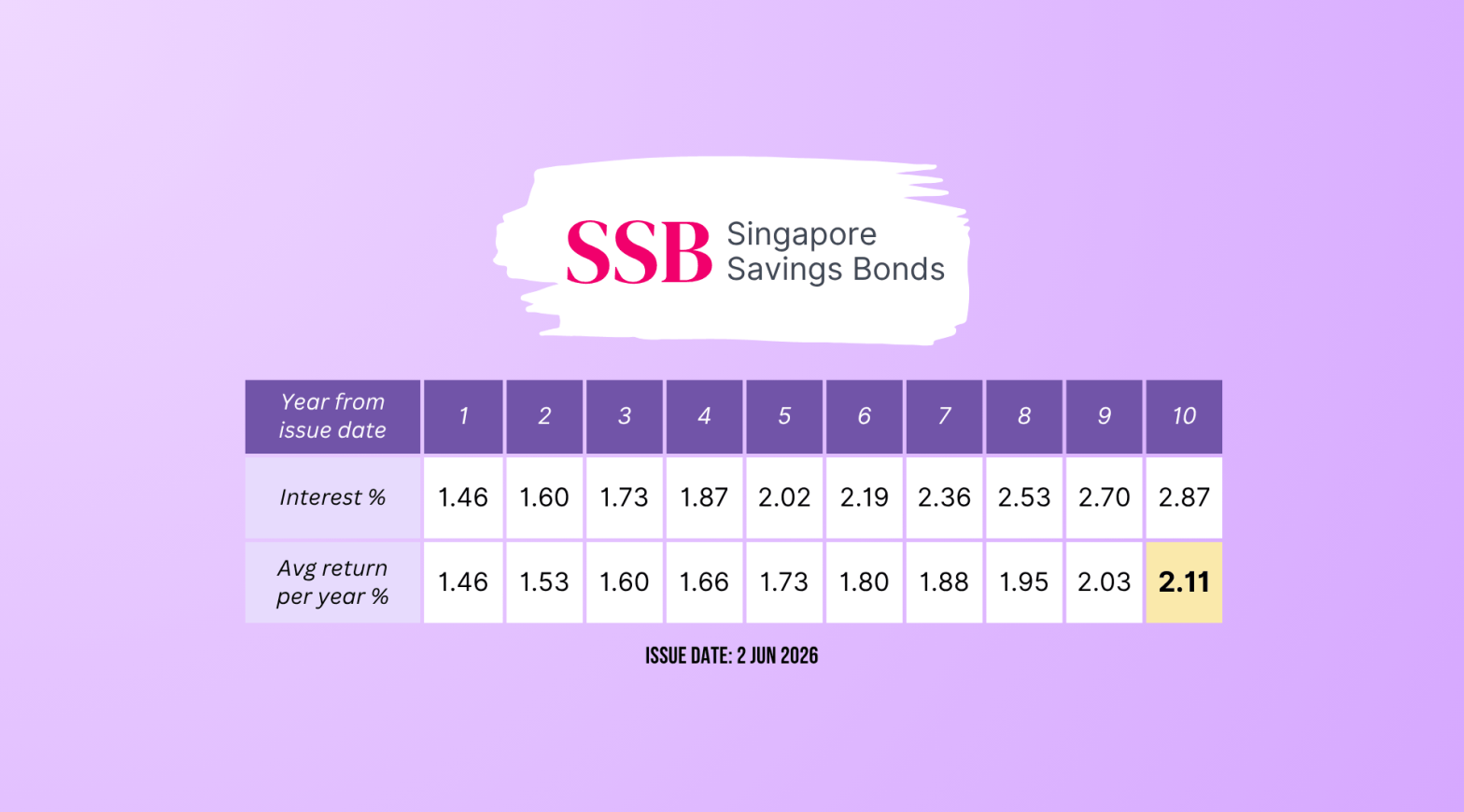
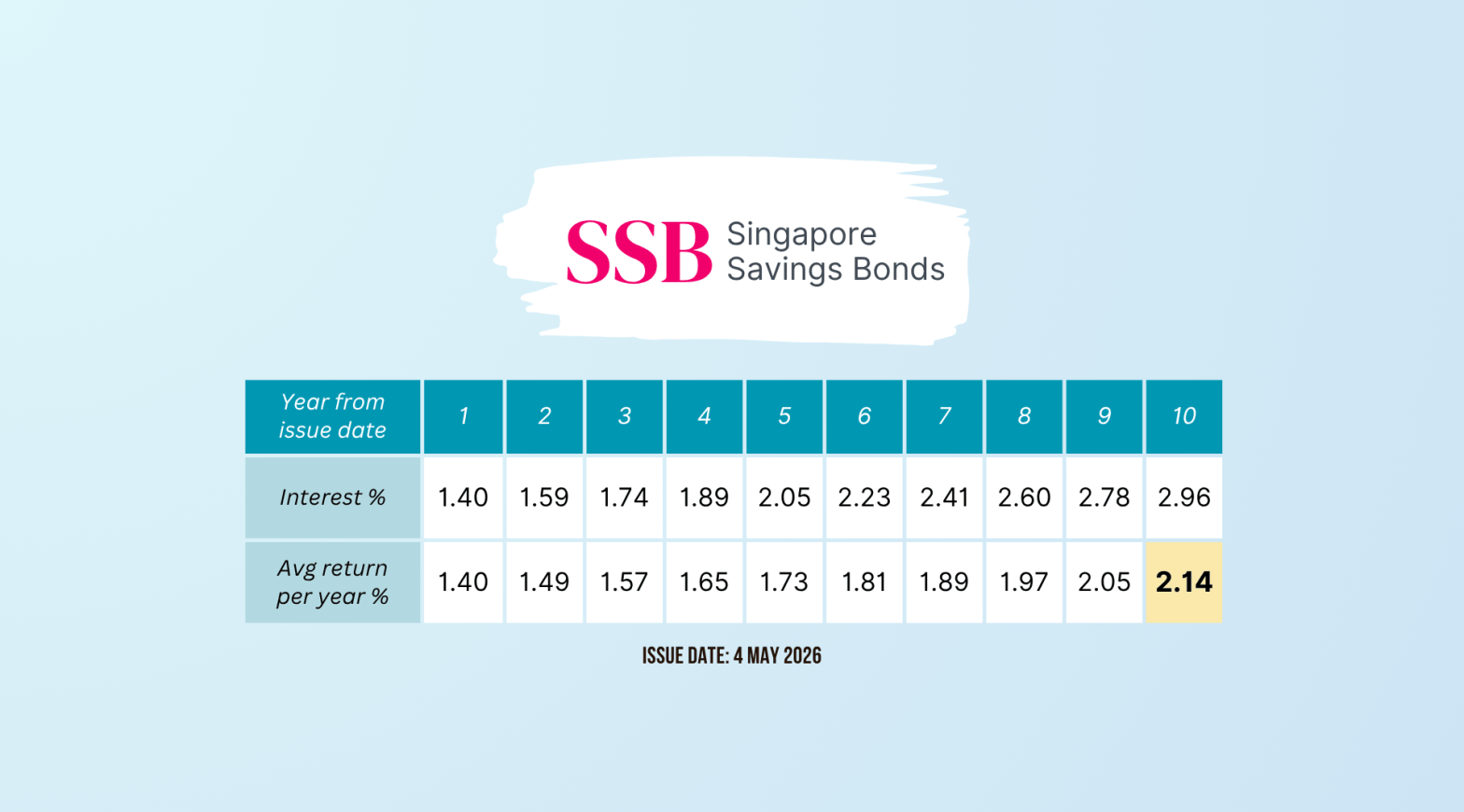
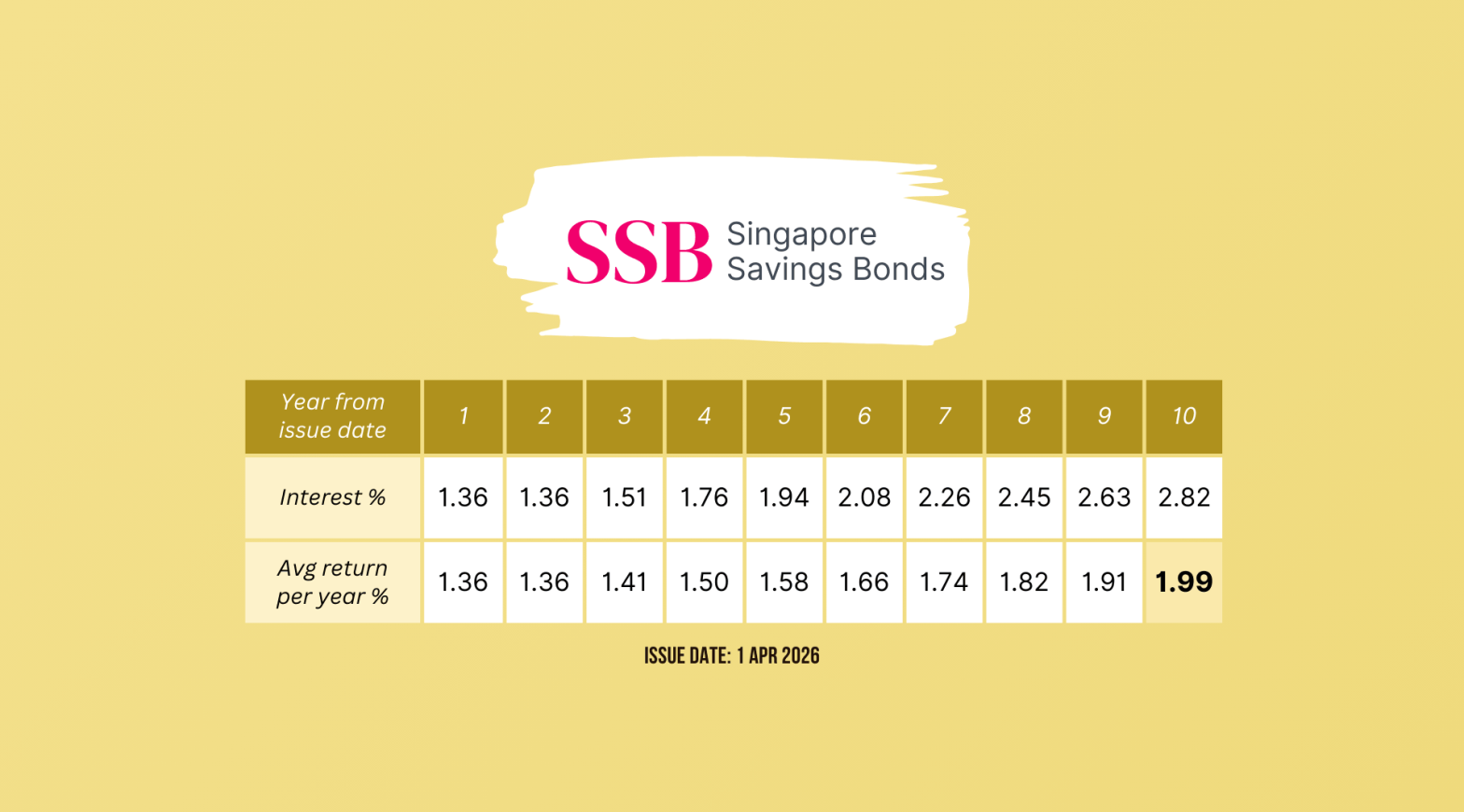
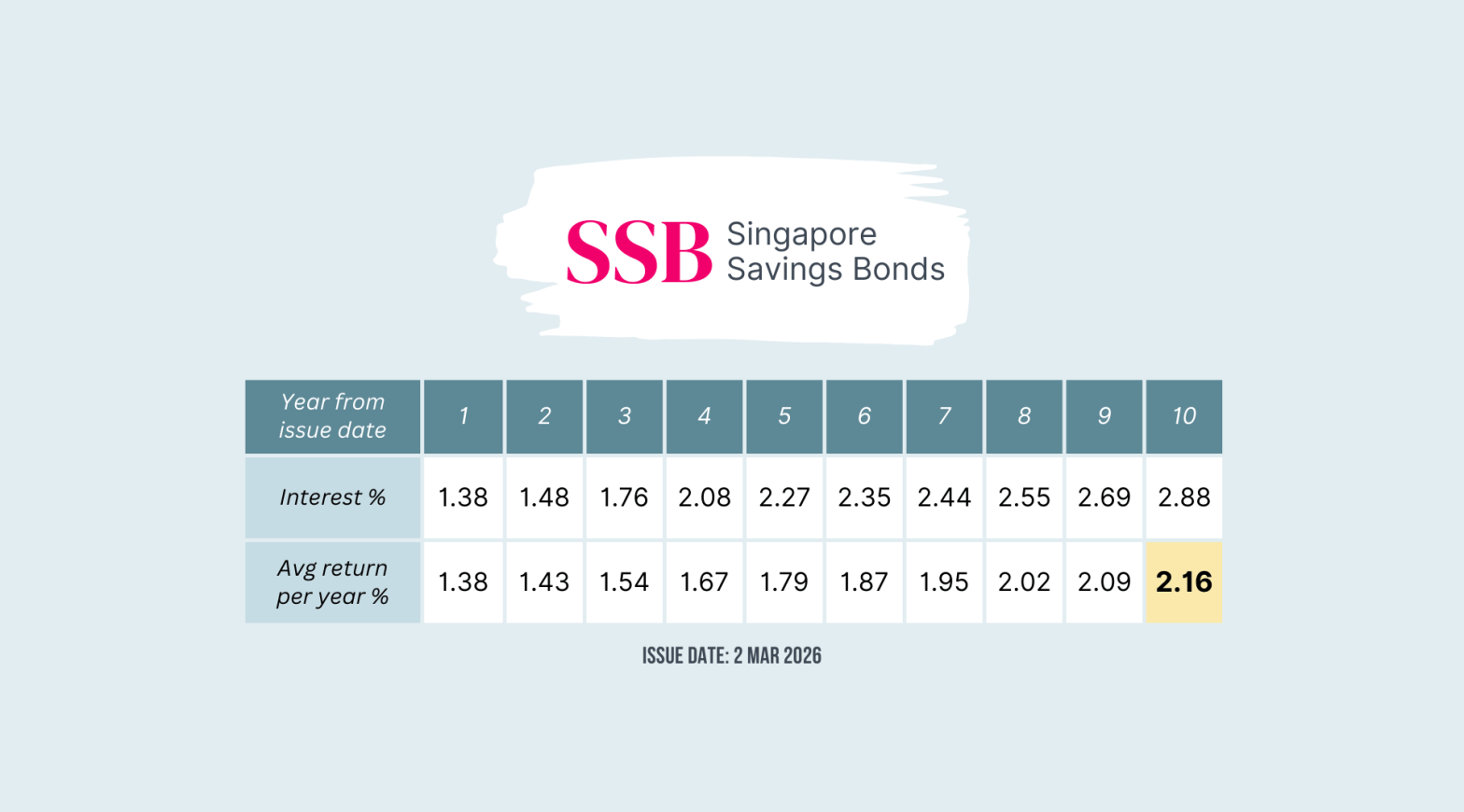
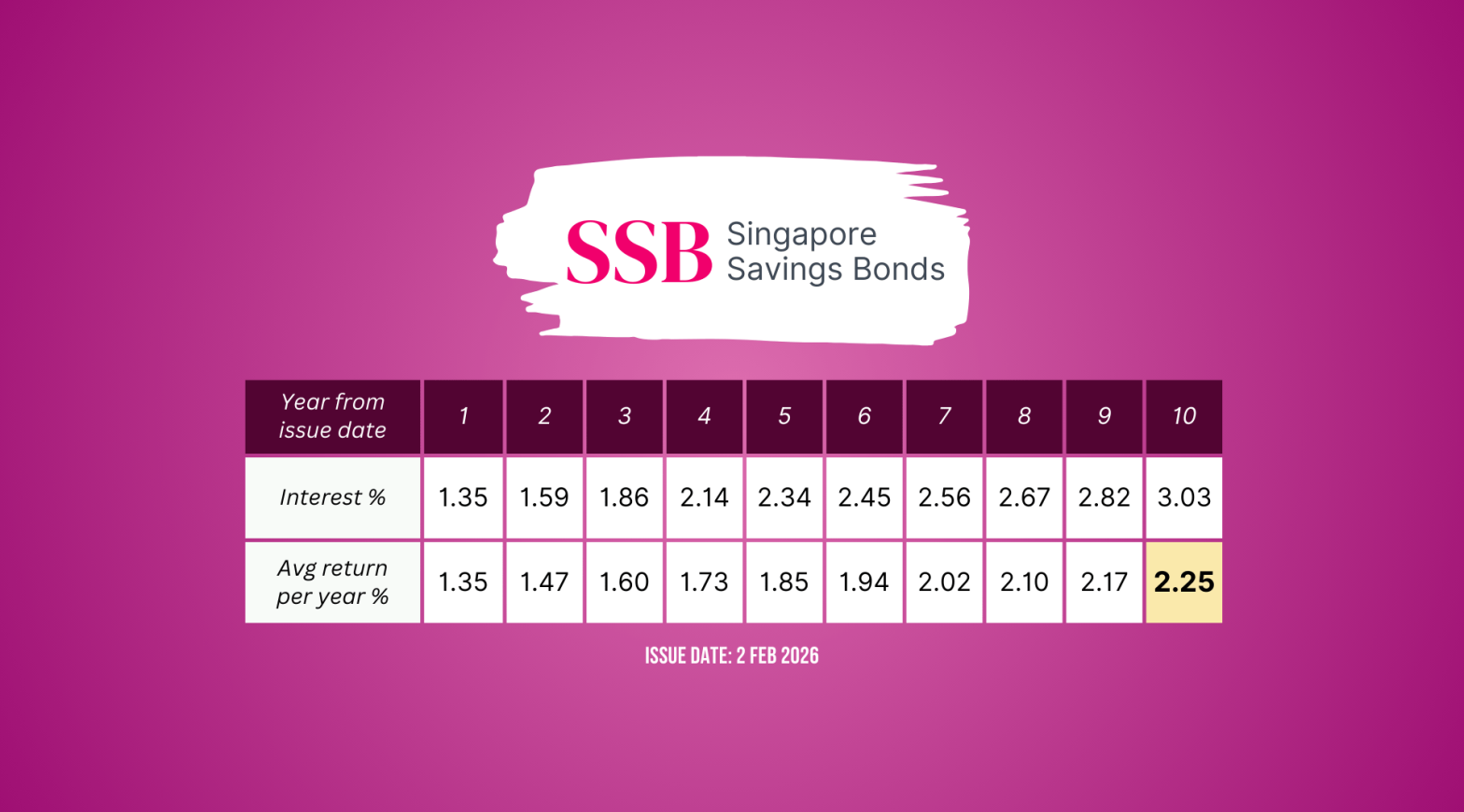
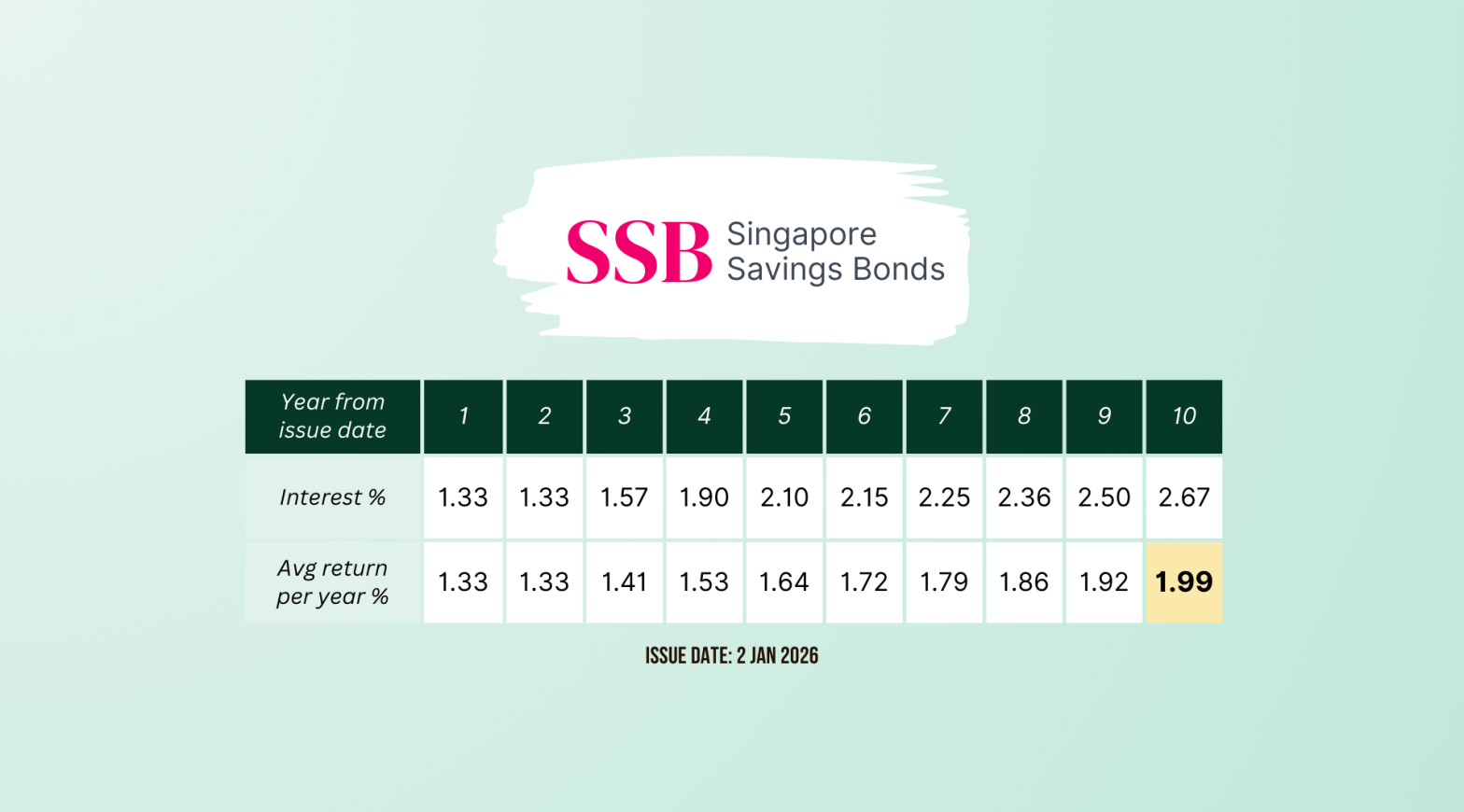
On the other hand, longer-term interest rates have been climbing again recently, as seen in the last SSB offering, which rose to above 3%.
Lower total demand and higher non-competitive bids may indicate a drop in institutional demand for T-bills. The 10-year Singapore government bond yield has been rising fast, close to 3.5%. If you are an institutional investor and can lock in 3.5% for ten years, why lock in 3.7% for just 6 months and expose yourself to refinancing risk in 6 months?
We will monitor the results of upcoming auctions to see whether yields stay elevated. However, the next auction may attract more investors as the 4.07% yield is quite attractive. Let’s see whether this is a one-off rebound or whether the yield can stay high longer.
Higher Non-Competitive Bids
In past auctions, we have monitored non-competitive bid amounts declining. The not-so-good news is that this number rebounded strongly in this auction. But the good news is that it is still below the 40% threshold of $2.12 billion. All non-competitive bidders should get the full desired allocation.
As we get closer to the threshold limit again, we will likely bid competitively in the next auction to ensure we get our full allocation.
How Competitive Are T-Bills?
This current T-bill 3 Oct 2023 (BS23119H) auction result is significant because the yield has exceeded many other alternatives. However, we must first monitor whether the higher yield can be sustained in the upcoming auctions. But for now, let’s compare T-bills with other popular fixed-income instruments.
T-Bills vs. Fixed Deposits
In our opinion, this one is a no-brainer; T-bills win hands-down. Fixed deposits in Singapore have seen relatively lower interest rates in recent months. The highest offering from RHB Bank is only 3.6%, significantly lower than 4.07% from this T-bill auction. 3.6% is also lower than any results from the last several T-bill auctions.
Local banks such as UOB and OCBC have slashed their fixed deposit offerings to 2.7%. Yeah… we can just ignore them.
T-Bills vs. Cash Management Accounts
Cash management accounts may still offer higher yields than T-bills, but with a big catch: your money is not guaranteed or insured. Because cash management accounts invest your money into their respective underlying investment funds, you inherit the risk of those underlying funds. Generally, the risk is relatively low, but you can still lose some of your initial principal. Moreover, their interest rates are target rates and will move with prevailing market rates. For example, if interest rates reverse next month, the actual rate you earn on these accounts will also decrease. This differs from T-bills, which lock in your interest rate for the next six months.
On the plus side, cash management accounts provide liquidity by letting investors withdraw at any time and get their money back within a few days.
It depends on investors’ risk profile and objectives whether cash management accounts with higher potential yields outweigh the risk.
For us, if T-bill yields stay above 4%, cash management accounts need to offer a much higher yield than they currently target to be considered attractive, given the higher risk.
T-Bills vs. High-Yield Savings Accounts
High-yield savings accounts are attractive if you can meet their criteria, such as having a salary deposit, using a credit card, or buying insurance. Most investors probably cannot meet these requirements, and the effective interest rate will be much lower than advertised.
This option is viable only if you can meet their requirements and earn higher rates than the T-bills.
These accounts also have floating interest rates, meaning they follow prevailing market rates. Therefore, if rates decline soon, these accounts are likely to follow suit within a relatively short period.
Where Do We Park Our Short-Term Cash?
We have been using a combination of T-bills and high-yield savings accounts to park our short-term cash. With the latest jump in T-bill yields, there’s an even stronger case for investing in T-bills and enjoying higher rates while they last.
On the other hand, we believe we are nearing the end of this interest rate hike cycle and would prefer to lock in the higher rates for the long term. Therefore, we would like to maximize our SSB allocation before investing the extra cash in these short-term instruments.
Are you interested in applying for the next T-bill auction? If you plan to use CPF, use our CPF T-bill calculator to estimate how much more interest you can earn by investing in T-bills.
We also wrote a guide about Singapore T-bills and how to buy T-bills.