The T-bill 27 Jun 2023 (BS23112N) auction has concluded: the cut-off yield was 3.89%. This yield was quite a jump from the previous auction, which resulted in a yield of 3.84%. The result of this latest auction was good news for investors because other alternatives, such as fixed deposits, started to lower their rates. Here is the summary of the auction:

Higher Yield but Lower Demand
Here is the historical t-bill yield in the past year:

Although it is quite a distance from the top, the T-bill yield has slowly risen in the past several auctions. Overall, the current yield is still one of the highest in recent times.
With the yield rising, most expect the T-bill demand to grow, and most investors will be happy to park their cash here, generating 3.89%. Let’s look at the T-bill demand:

Surprisingly, the demand fell significantly in this auction, from $11.5 billion to $9.9 billion. The non-competitive bids stayed flat, while the competitive bids fell significantly.
Low Demand for T-bill
This lower demand is quite surprising, considering Singapore’s local banks have slashed their fixed deposit rates to 2.7% this month. T-bill yield hovering around 3.8-3.9% is much more attractive now. It is one of the most attractive fixed-income instruments currently available in the market, besides cash management and high-yield savings accounts.
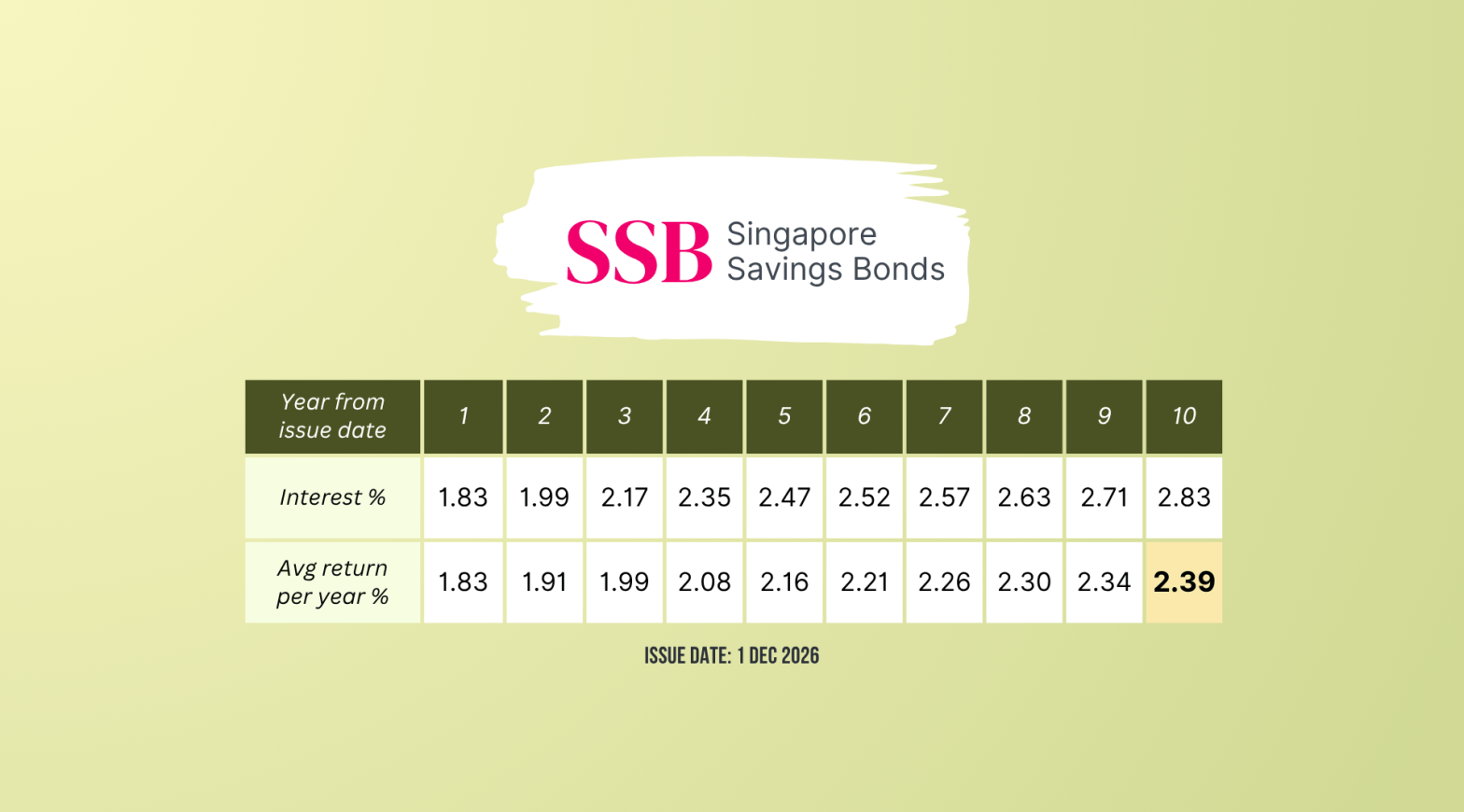
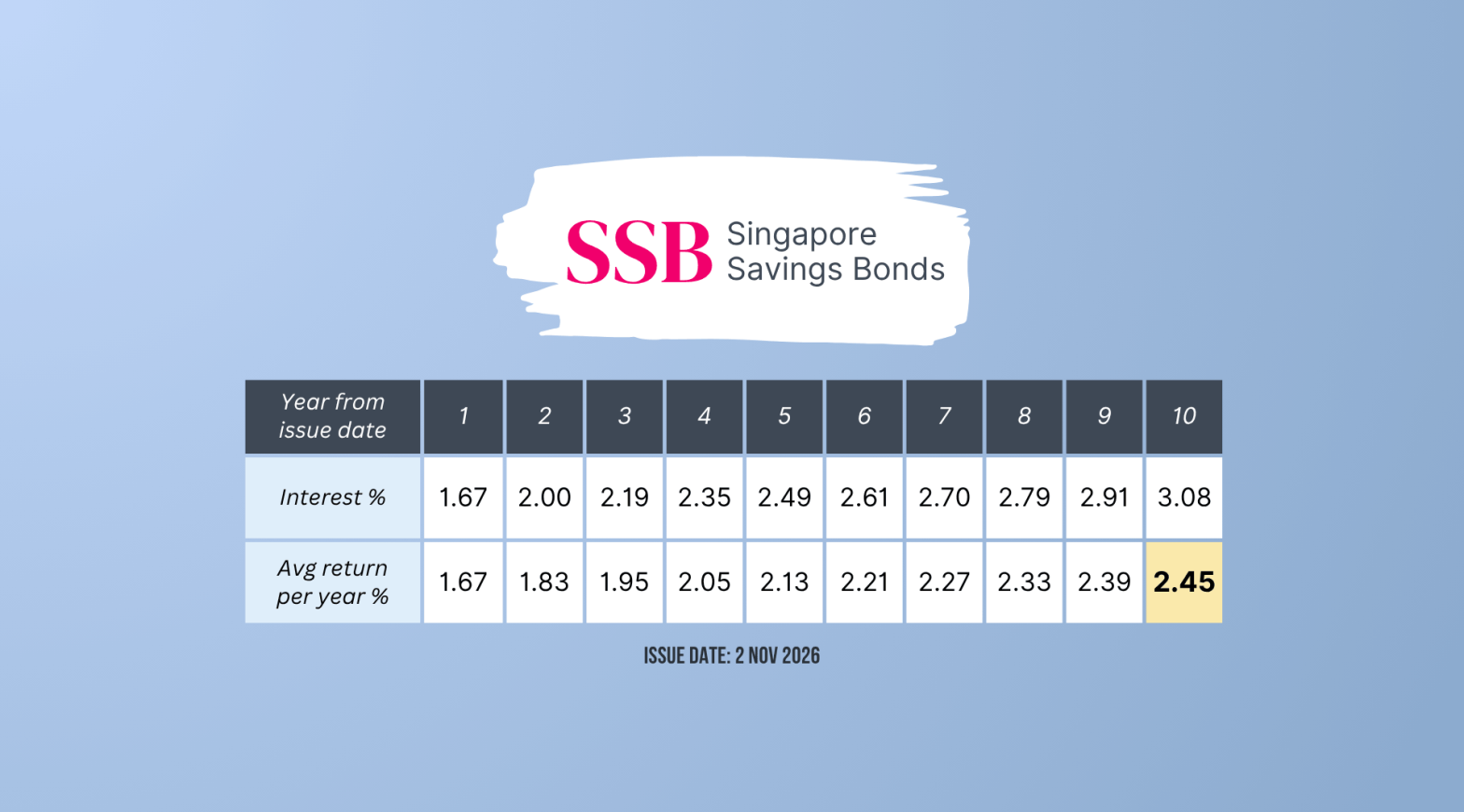
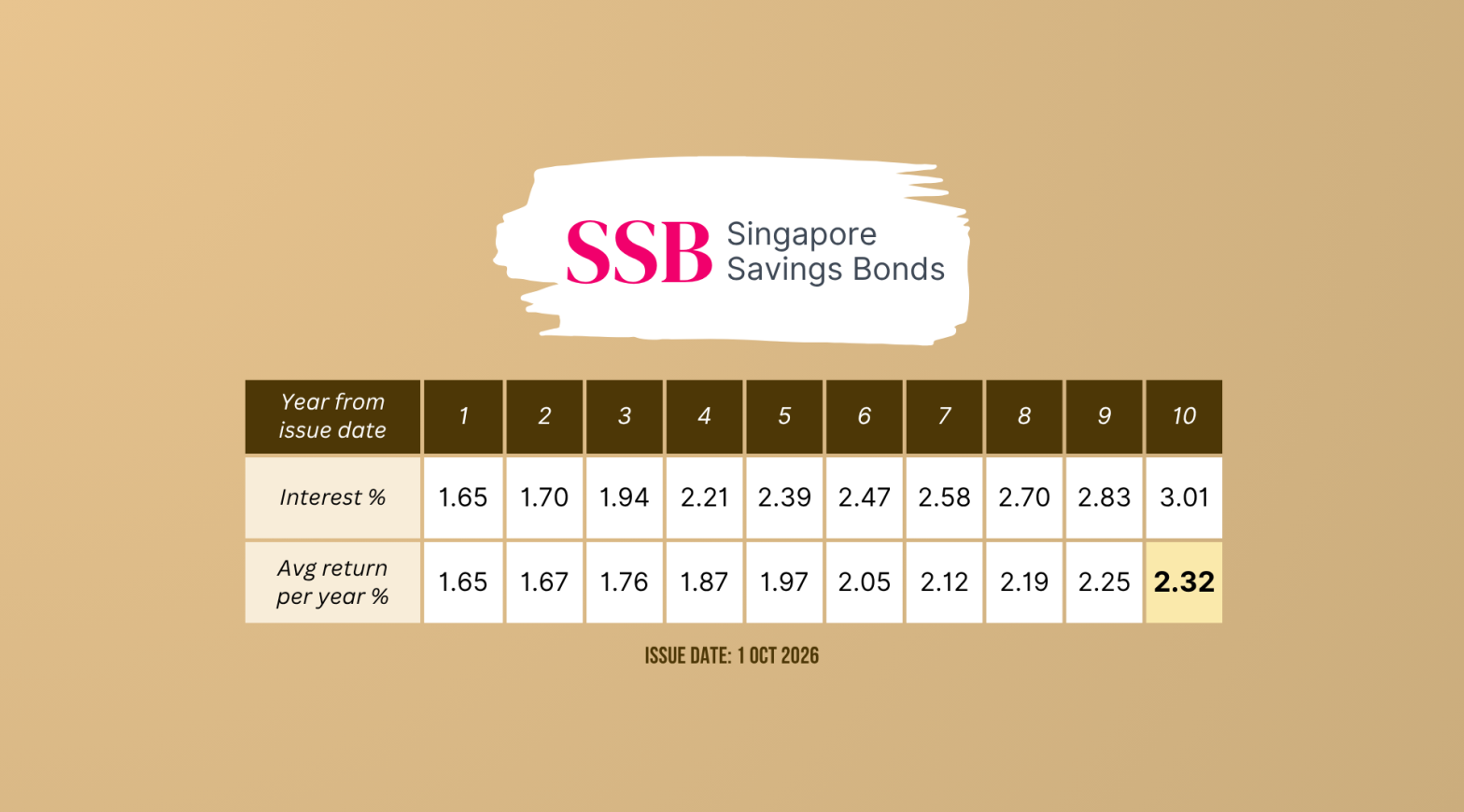
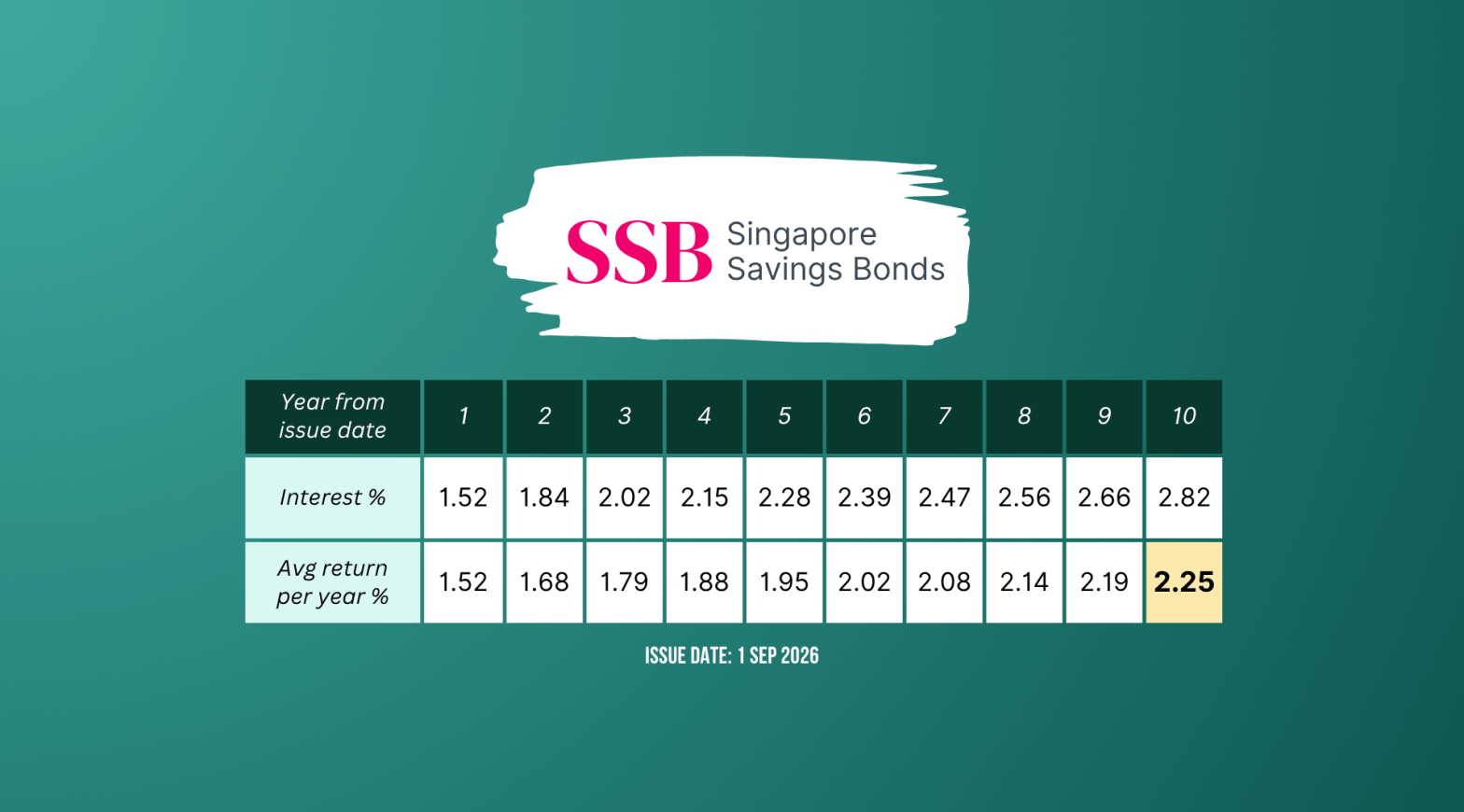
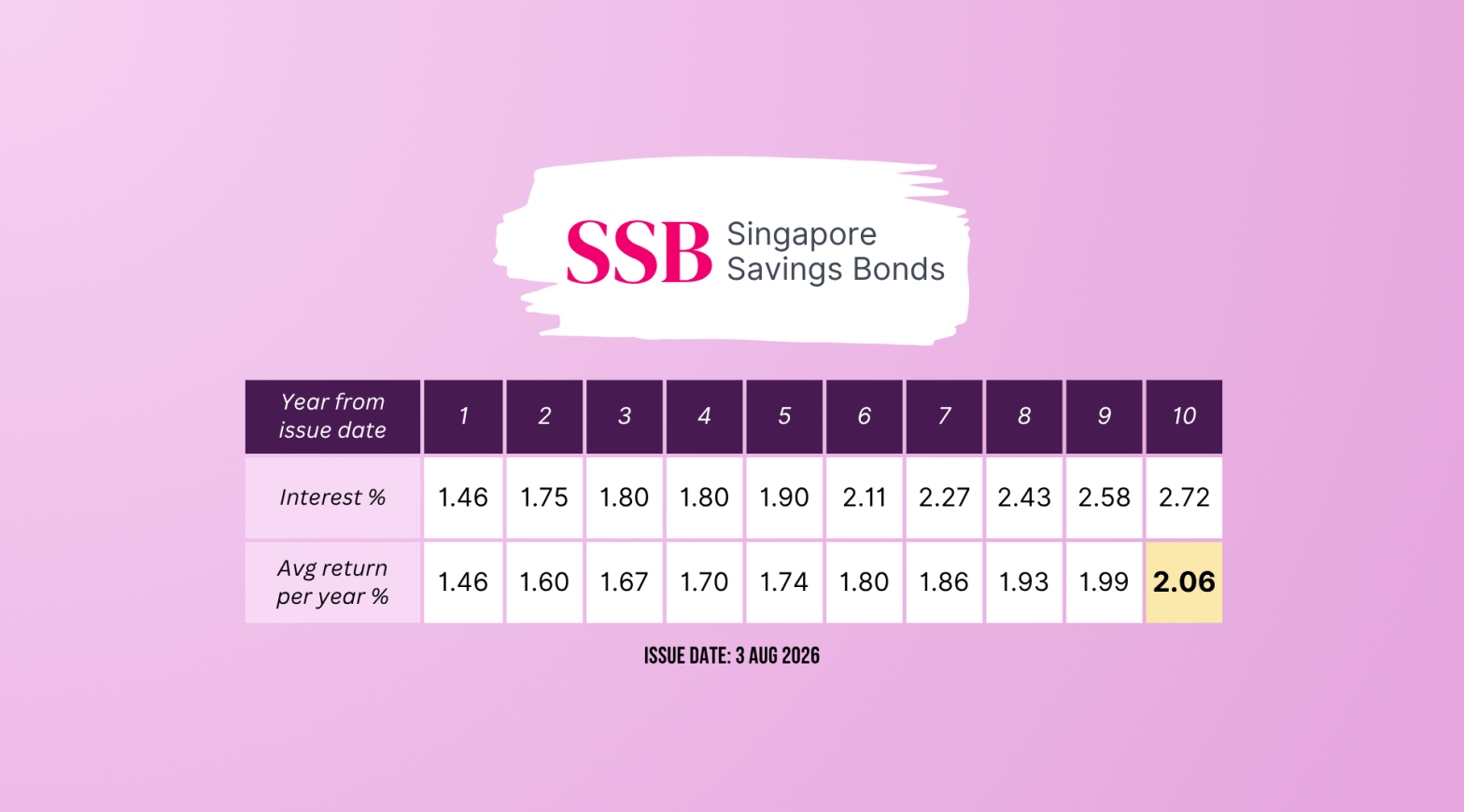
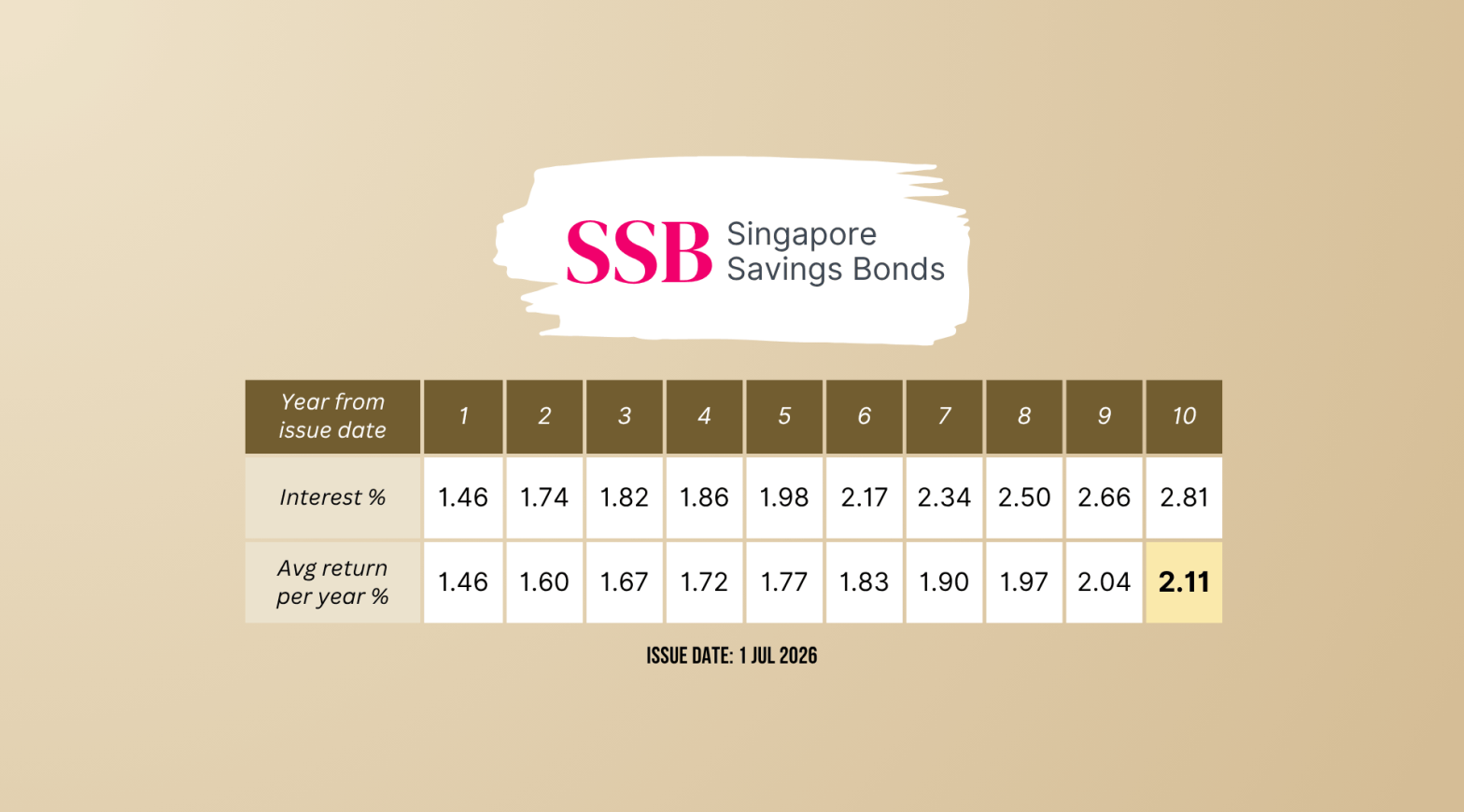
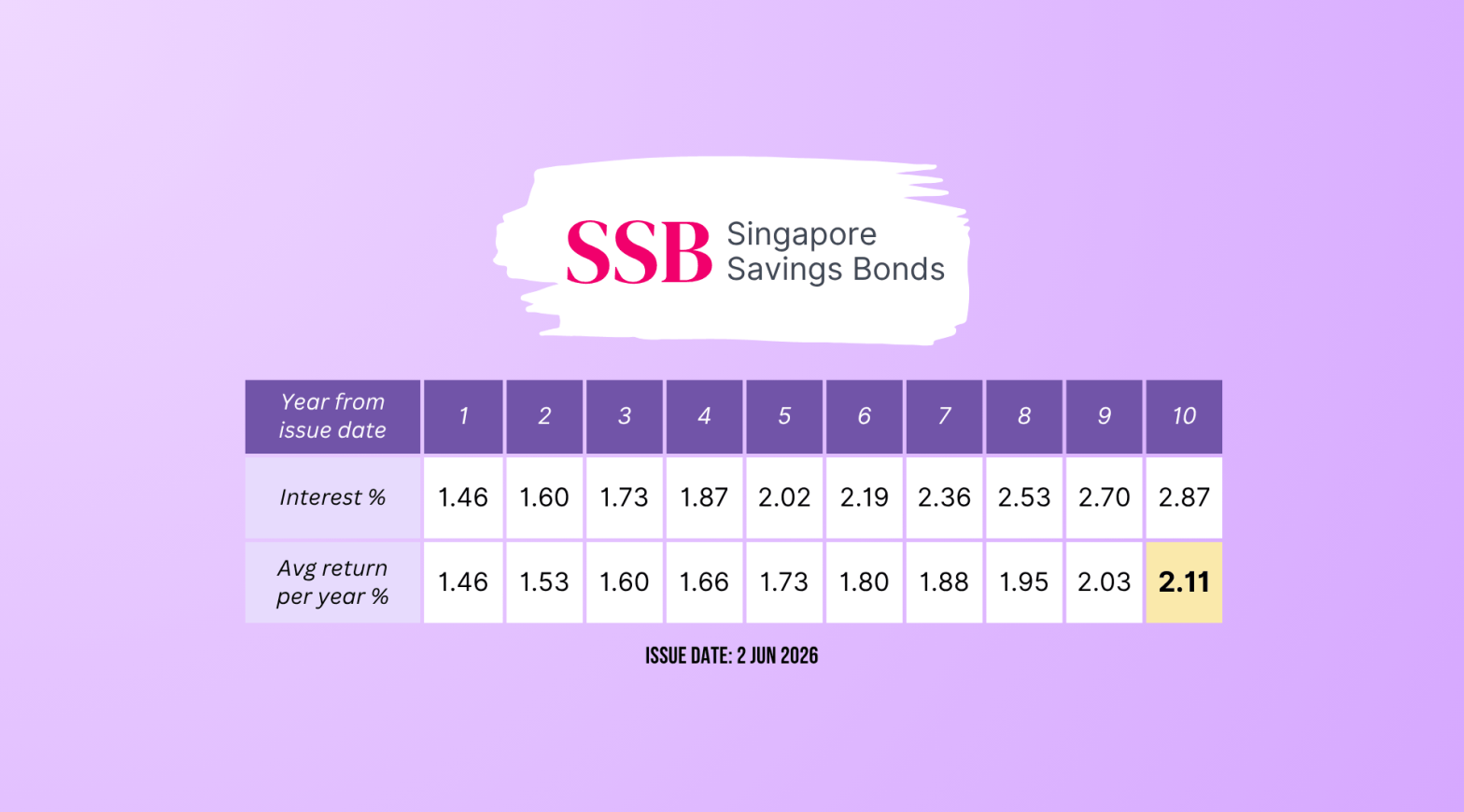
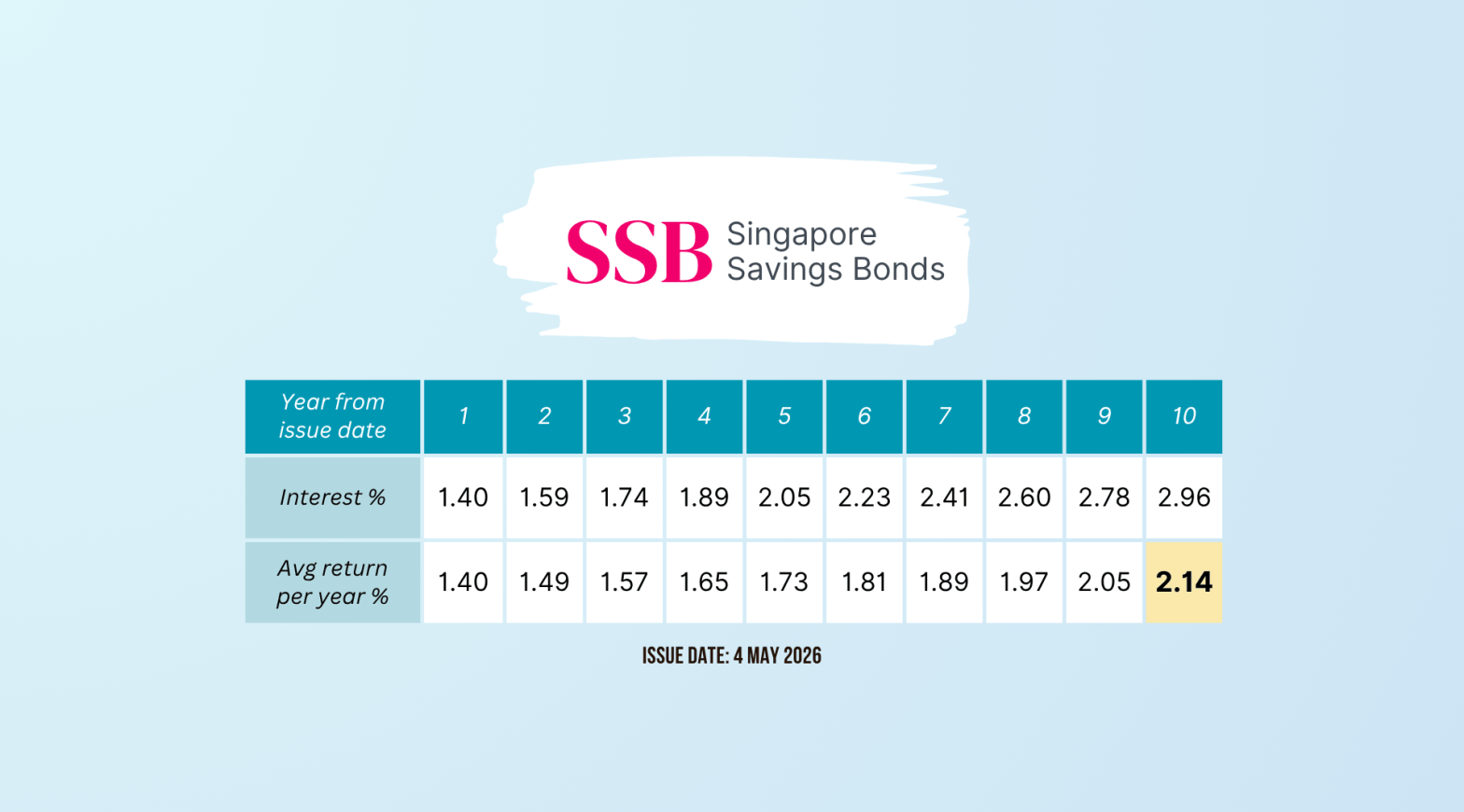
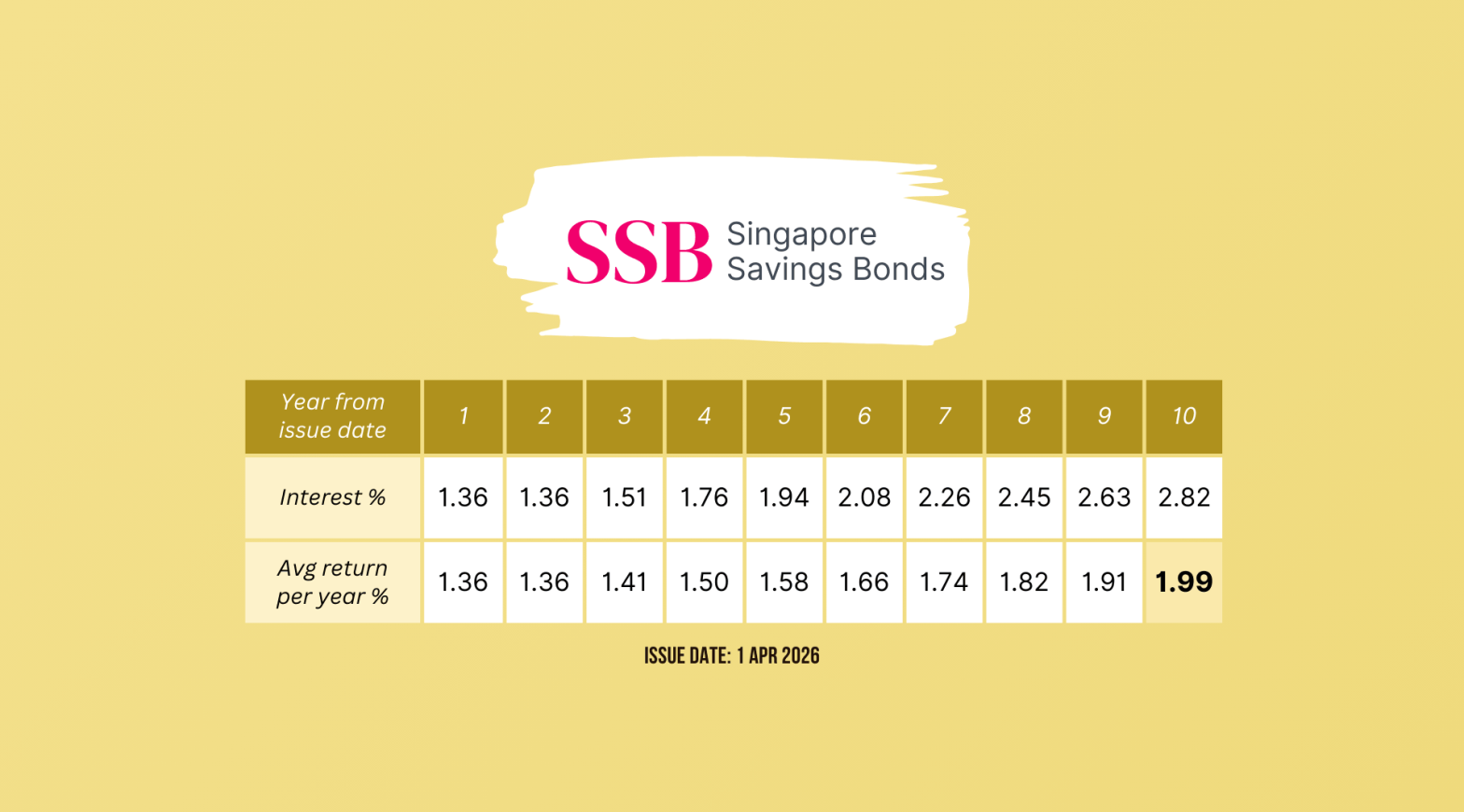
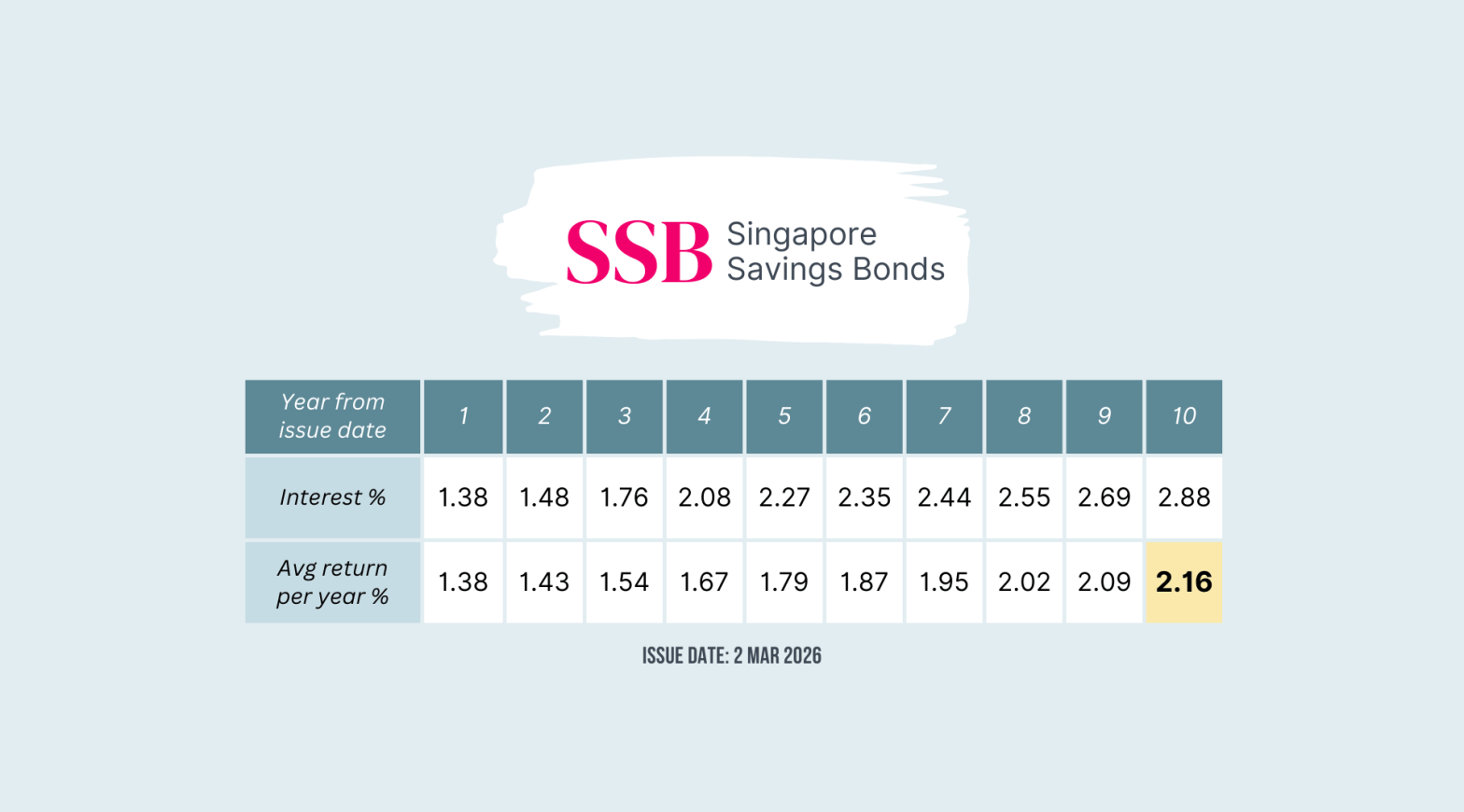
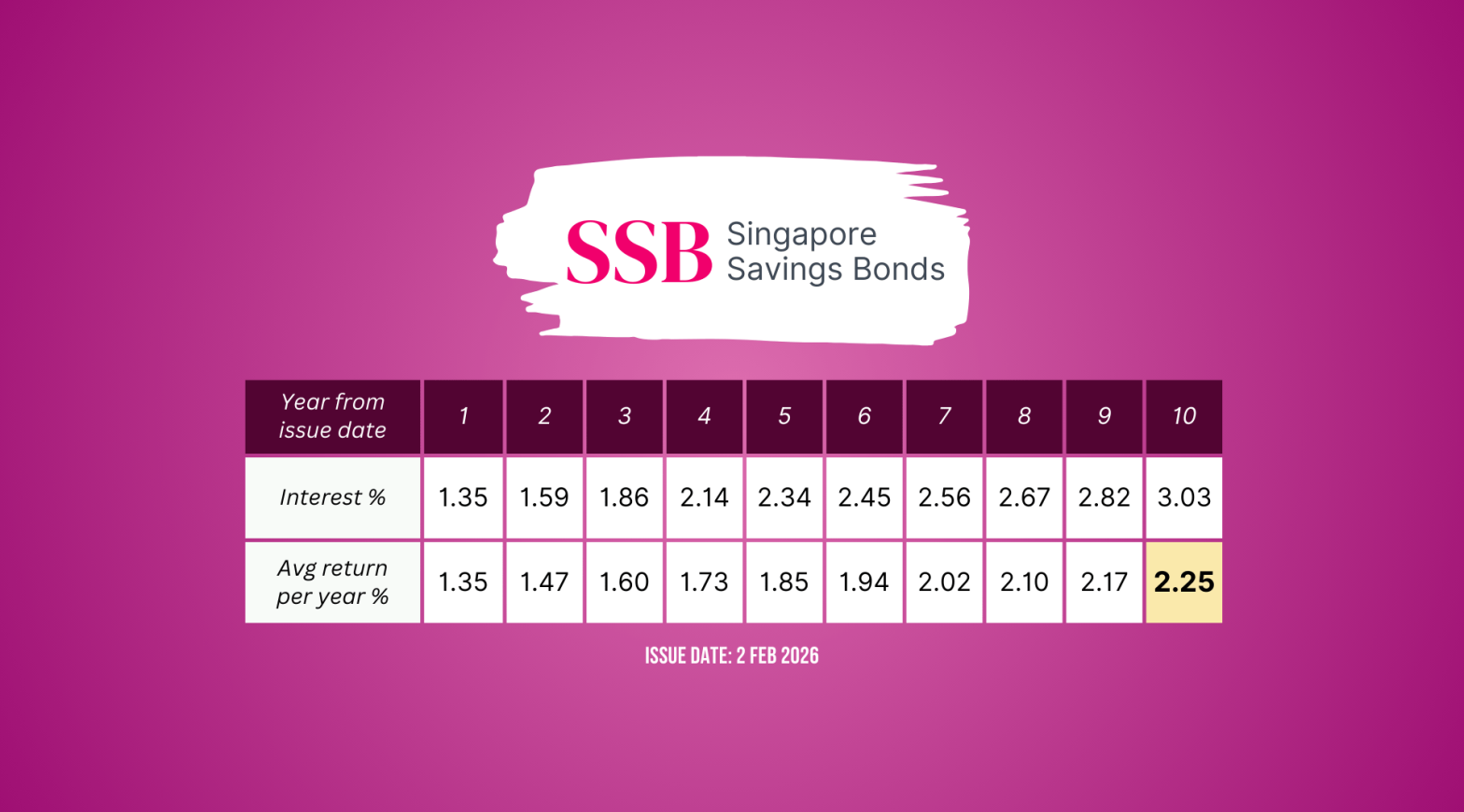
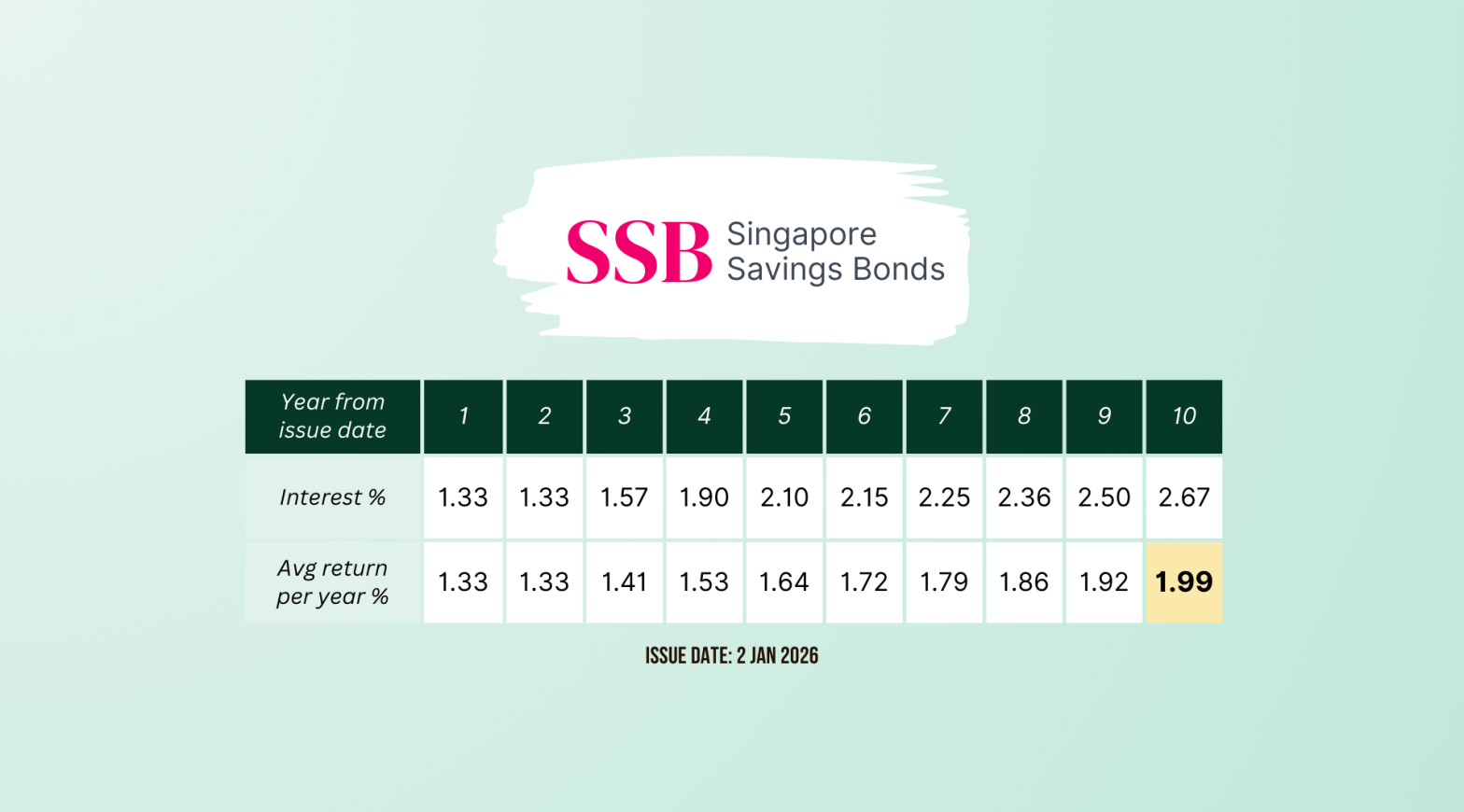
There could be some hypothesis on why the demand was low. The first one is the low demand from the CPF bidders due to the unfavorable maturity date, potentially causing another month of CPF rate miss. The second potential reason is that investors may have locked in their cash for longer maturity instruments, such as SSB. For longer-term cash, if the interest rate is projected to go down further within the next few months, it would be better to lock in the higher rate now than to invest in a short-term instrument such as T-bill. For example, locking into SSB will guarantee the interest rate for the next ten years!
Another potential reason is the higher risk appetite from investors. With the interest rate stabilizing and the end of the rate hike cycle in view, investors will be more comfortable deploying their cash reserves into the riskier part of the market, such as equities.
High Percentage of Non-competitive Bids
With the non-competitive bids at $1.8 billion, it is getting close to the 40% allotment limit given to non-competitive bidders. Since the last auction, we have seen a similar pattern of higher non-competitive bids.
This T-bill 27 Jun 2023 (BS23112N) only offers up to $5 billion for the total allotment, which means only $2 billion (40% of $5 billion) is allocated to non-competitive bidders. Investors who want to ensure full allocation may consider getting into competitive bids going forward if this trend persists.
Is T-bill Still a Good Investment?
T-bills’ main alternative, fixed deposits, have seen their rates steadily decline in the past few months:

UOB and OCBC have slashed their fixed deposit rates to 2.7%. At 2.7-3.2%, the fixed deposit offerings are not attractive. With T-bills offering a full percentage point more, it seems a no-brainer for investors to choose T-bills over fixed deposits.
Other alternatives, such as cash management and high-yield savings accounts, currently yield more than T-bills, but they come with a catch. The cash management account does not guarantee your initial principal and interest. They also aren’t insured by SDIC.
The high-yield savings accounts guarantee your initial principal. However, you may need to meet requirements to earn that higher yield, such as crediting your salary, using your credit card, and increasing your monthly balance. The interest rate is also floating, which means if, for example, interest rates go down next month, your savings account will also earn less.
We believe T-bills remain one of the friendliest fixed-income instruments, with decent interest rates, for investors seeking capital preservation. Investors looking to park cash short-term may consider T-bills.
If you want to apply for the next T-bill auction, follow our step-by-step guide on how to buy T-bills.