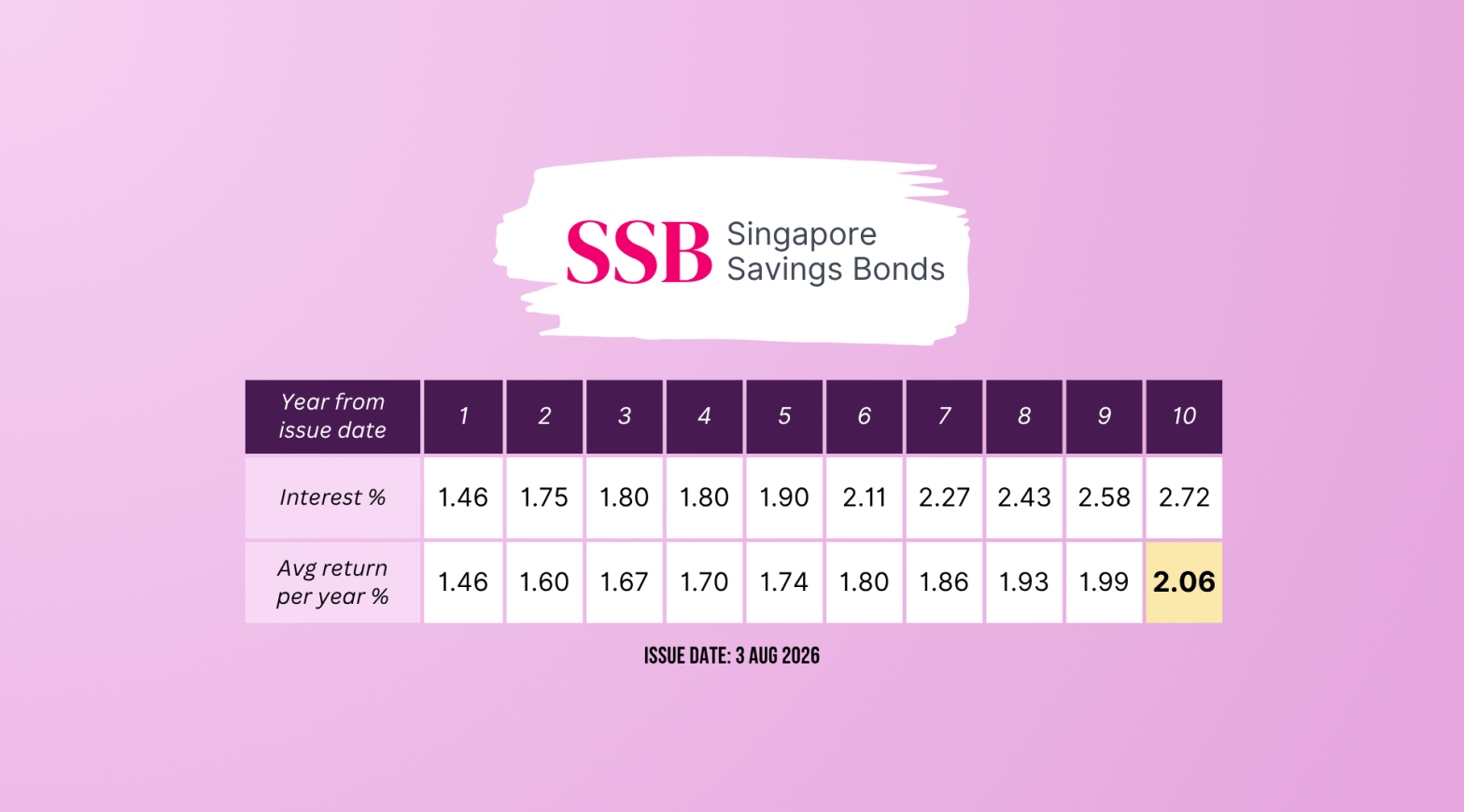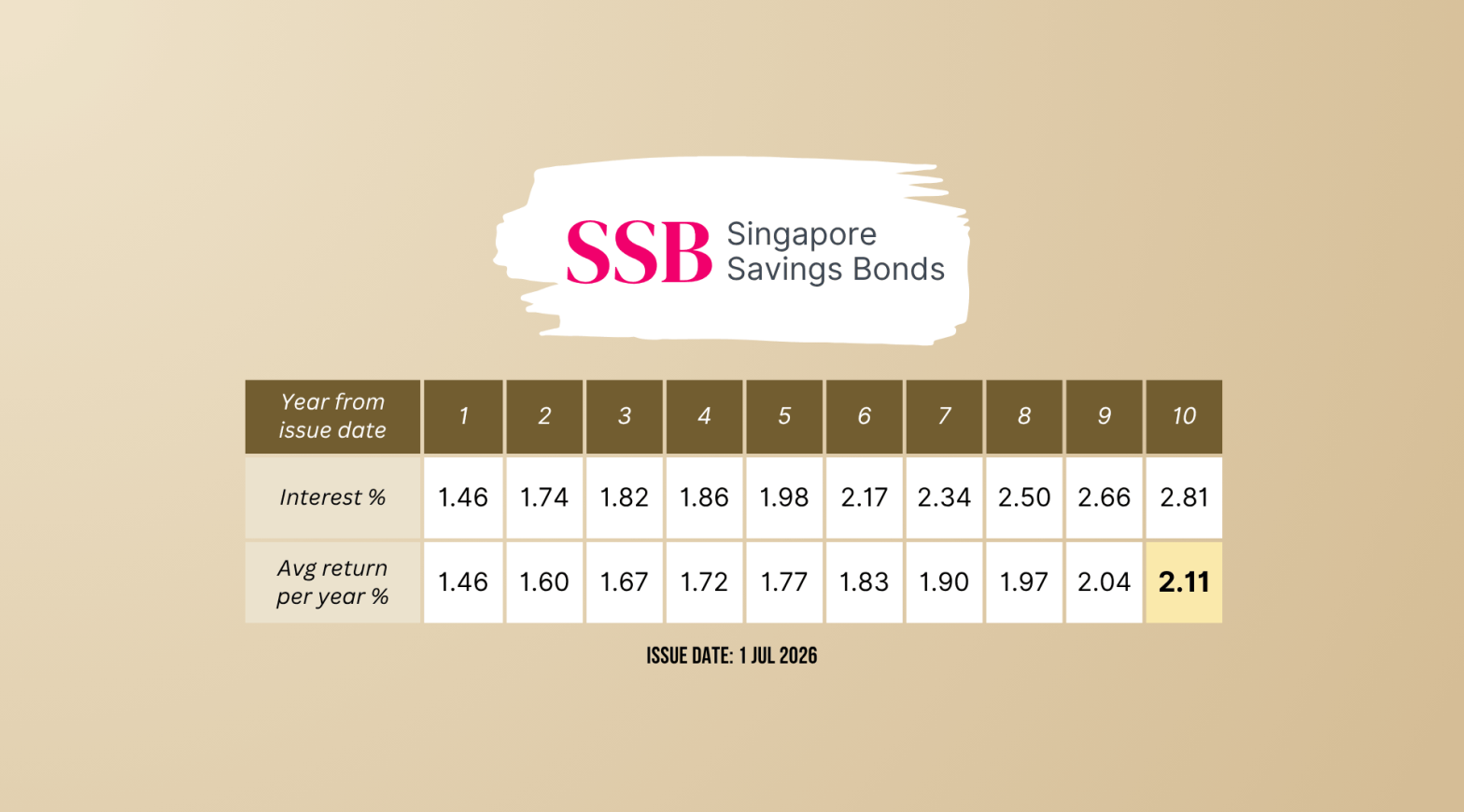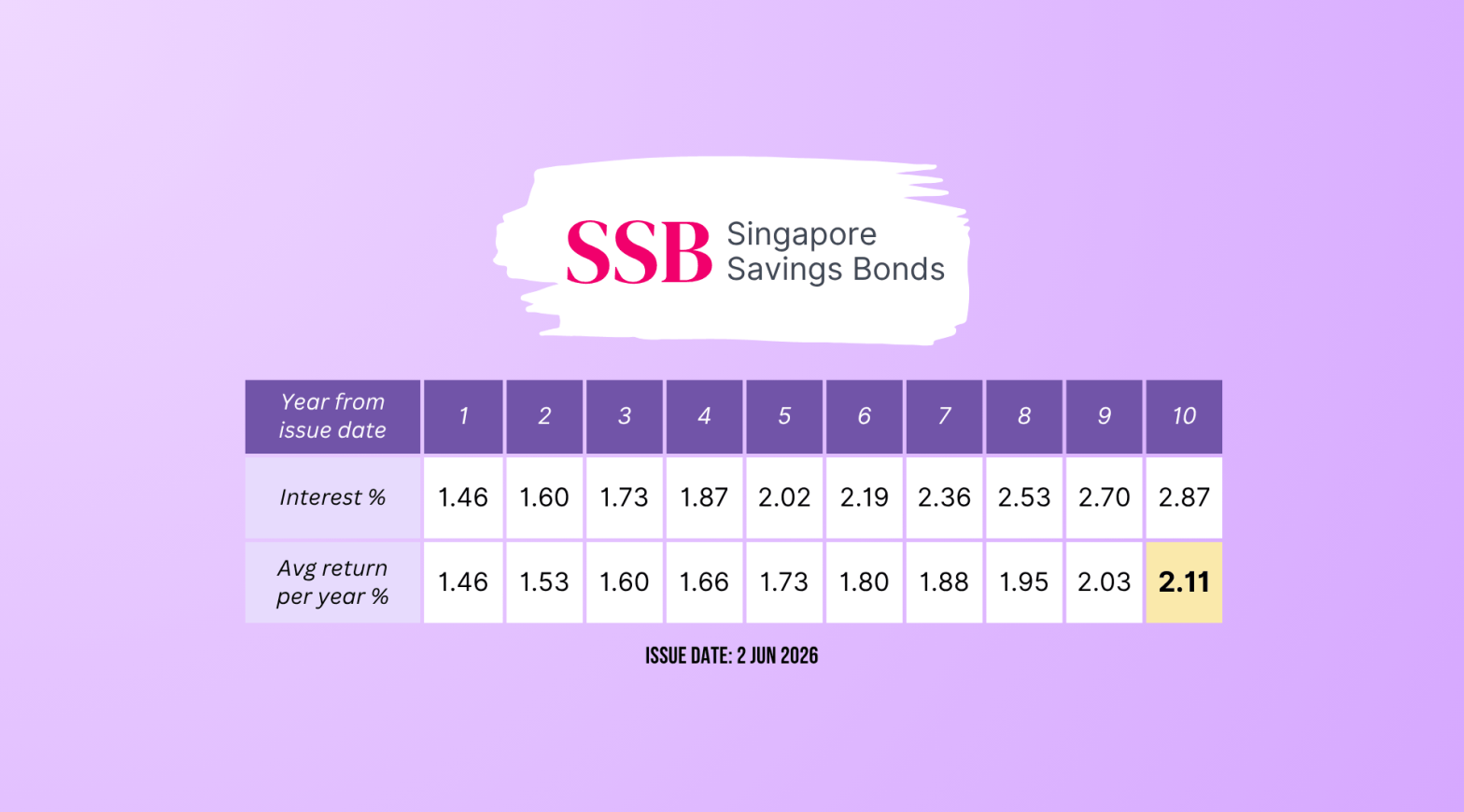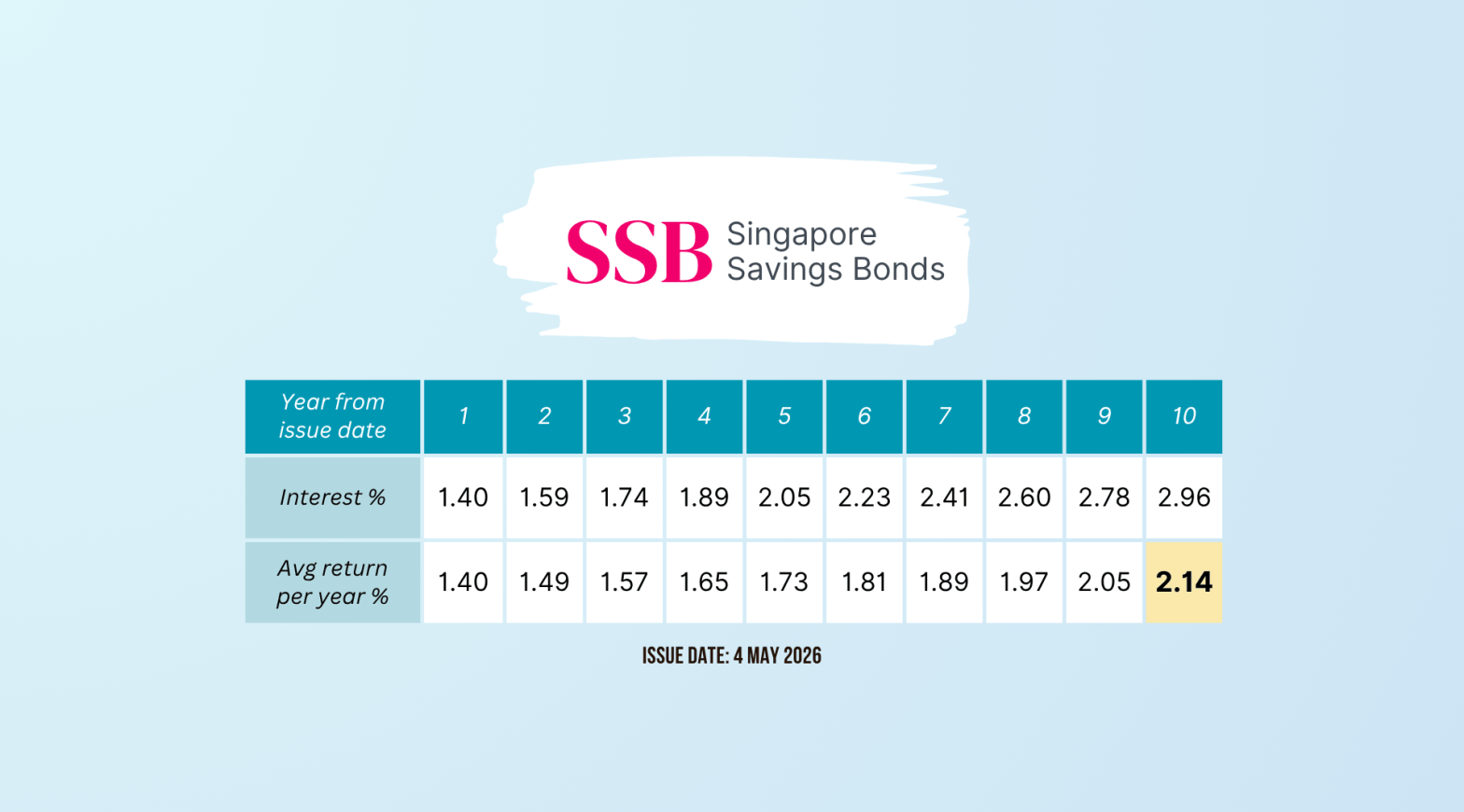
For investors who want the lowest risk with an almost guaranteed return of principal and interest, fixed-income investing could be a good choice. Fixed income means you invest a fixed amount of money and, in return, receive your principal back plus a fixed interest payment after a set period. Some examples are bonds, Treasury bills, and fixed deposits.
For example, a $100,000 investment in a government bond paying 3% interest per annum for ten years will earn you $3,000 in interest each year for the next ten years. After ten years, you will get your $100,000 principal back.
Why Invest in Fixed Income Investment?
Fixed income investment is popular among investors for several reasons:
Lower Risk
Preserving the initial principal is the main benefit of investing in a fixed-income product. Unlike higher-risk instruments such as stocks, fixed income investments generally protect the initial principal. There is no volatility.
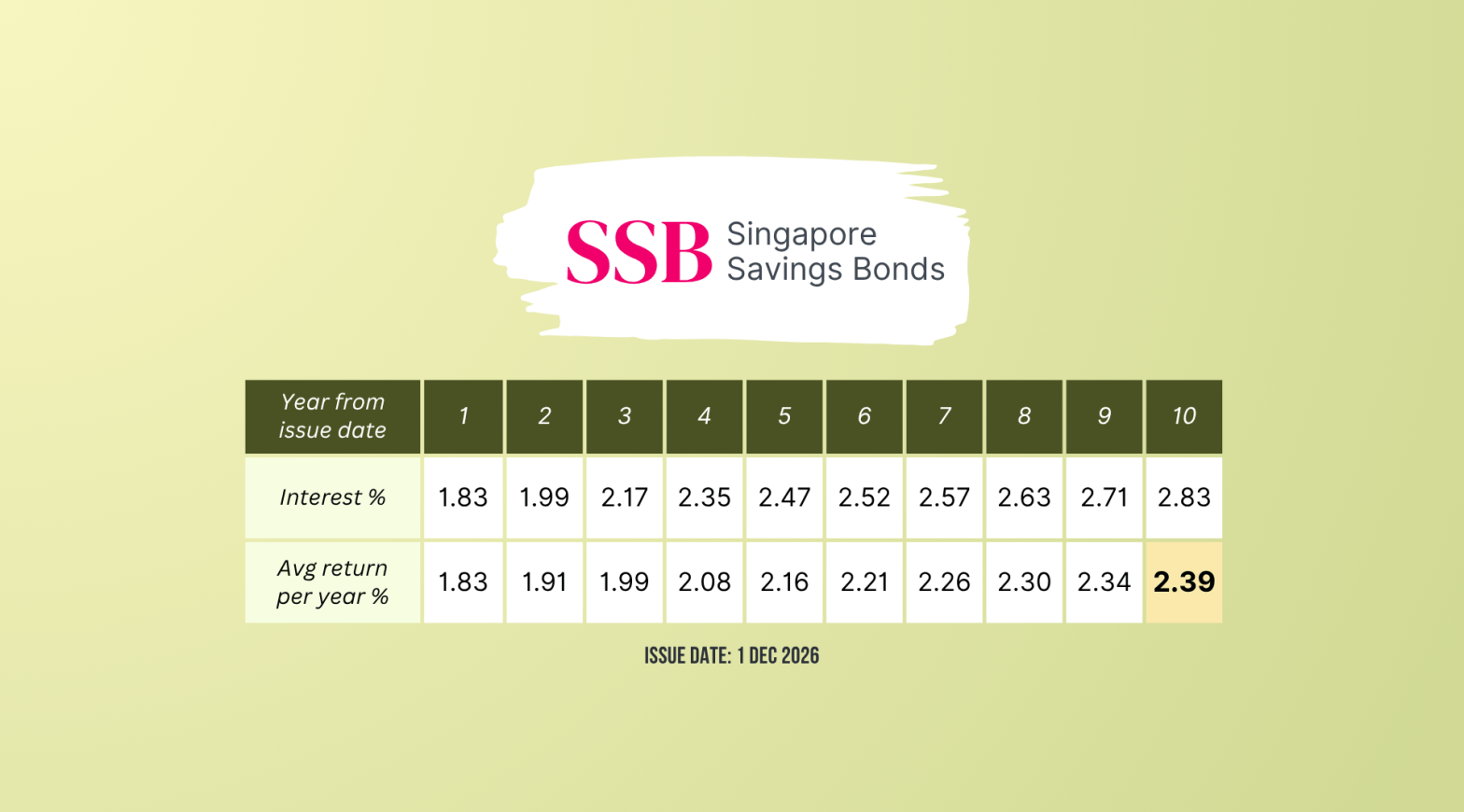
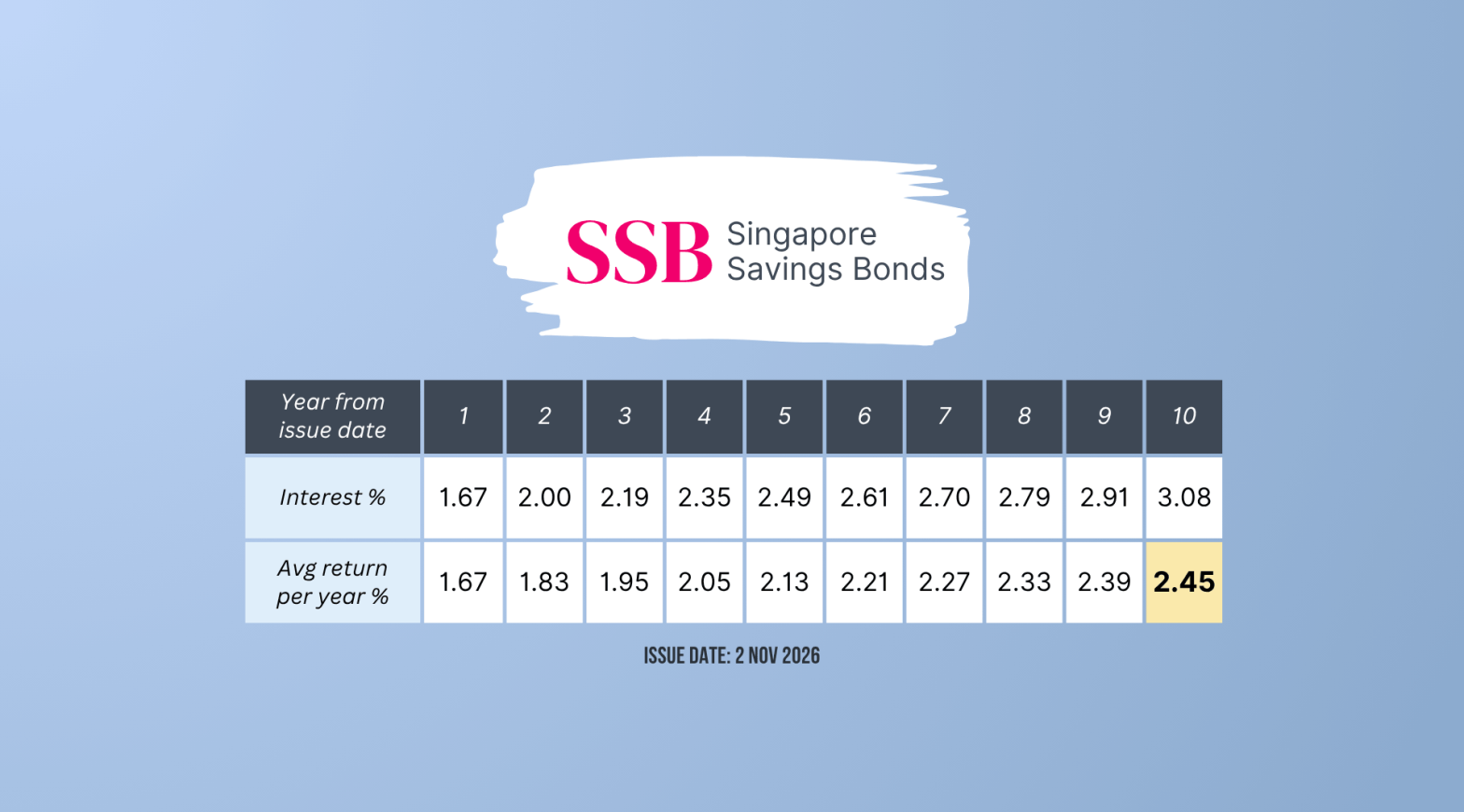
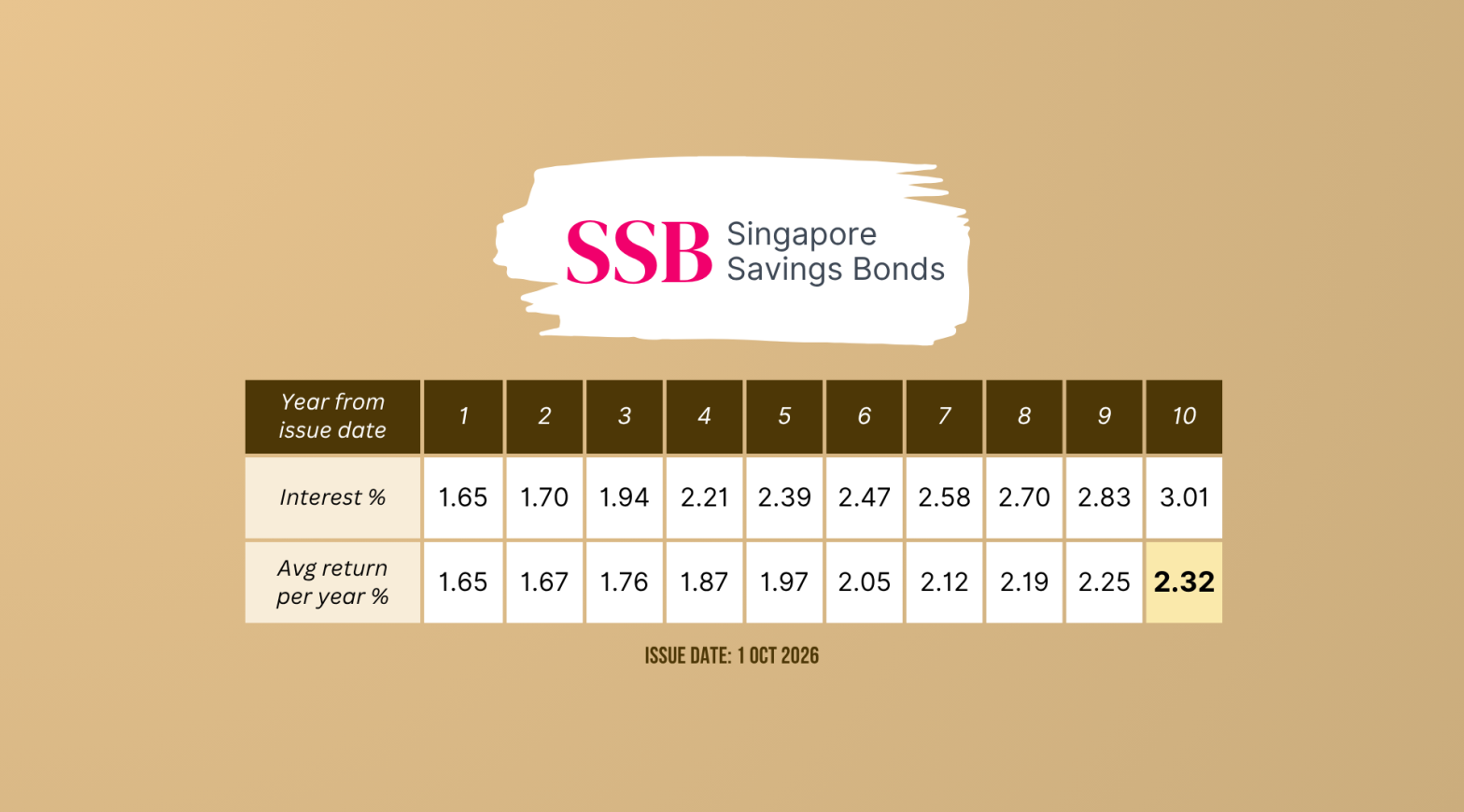
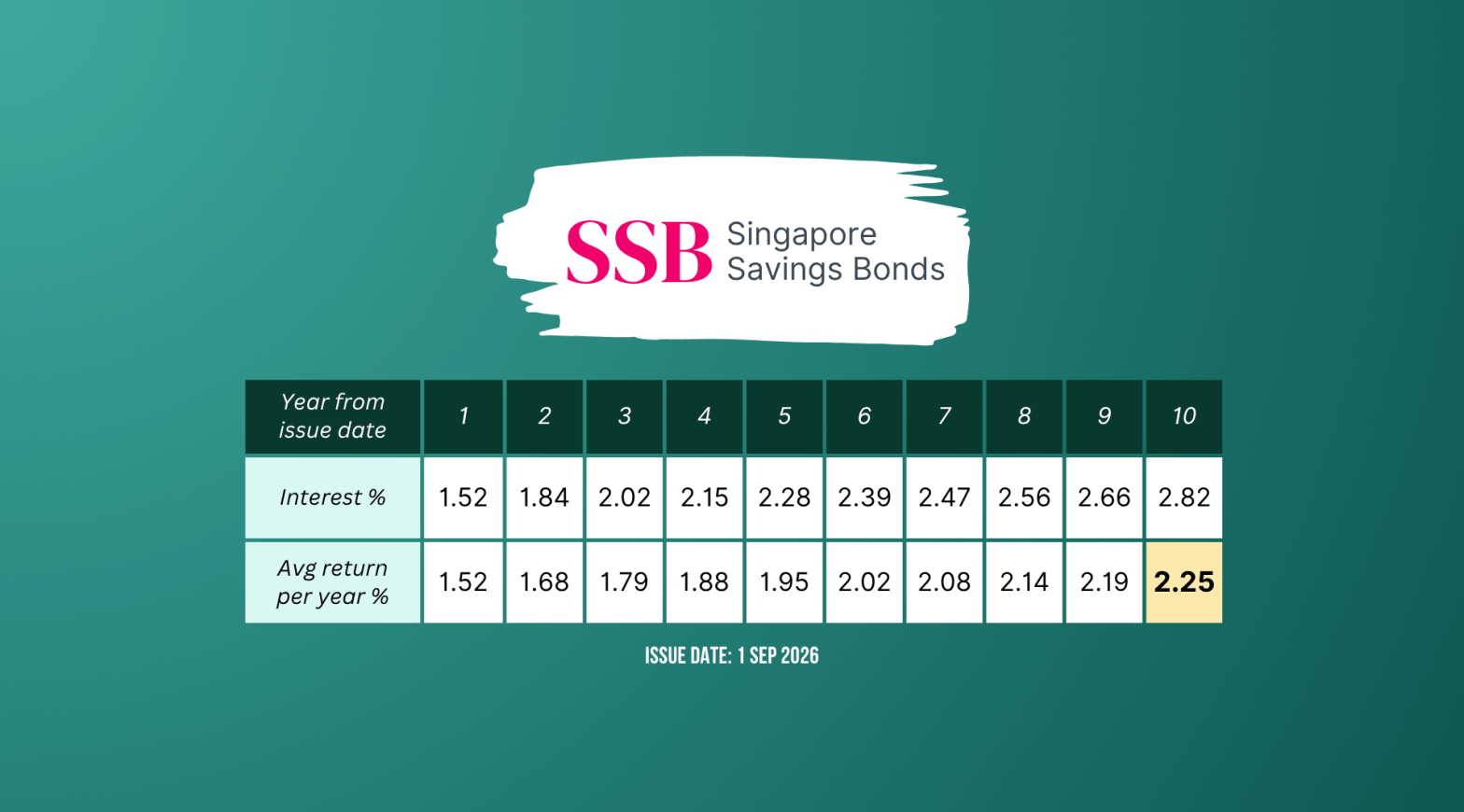
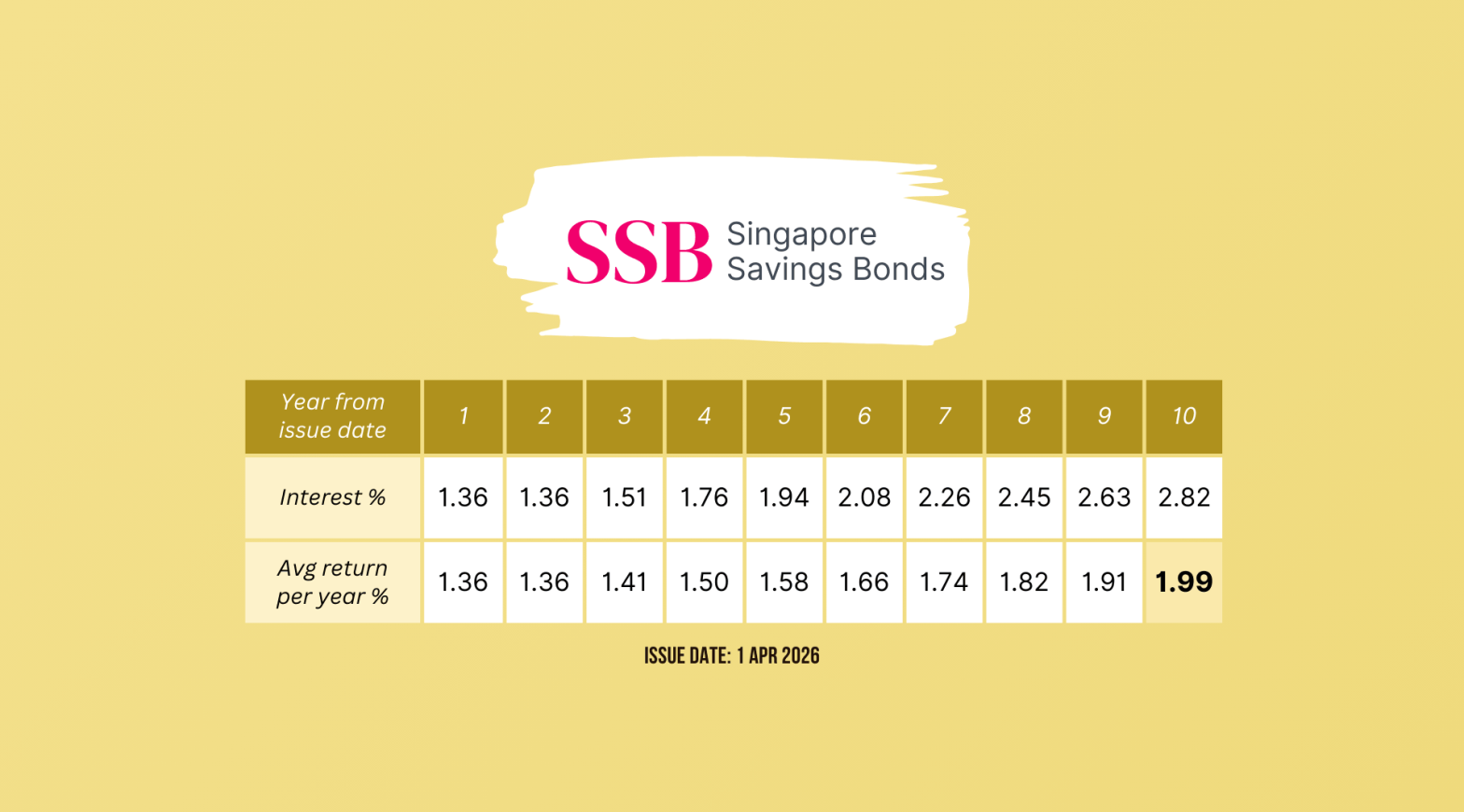
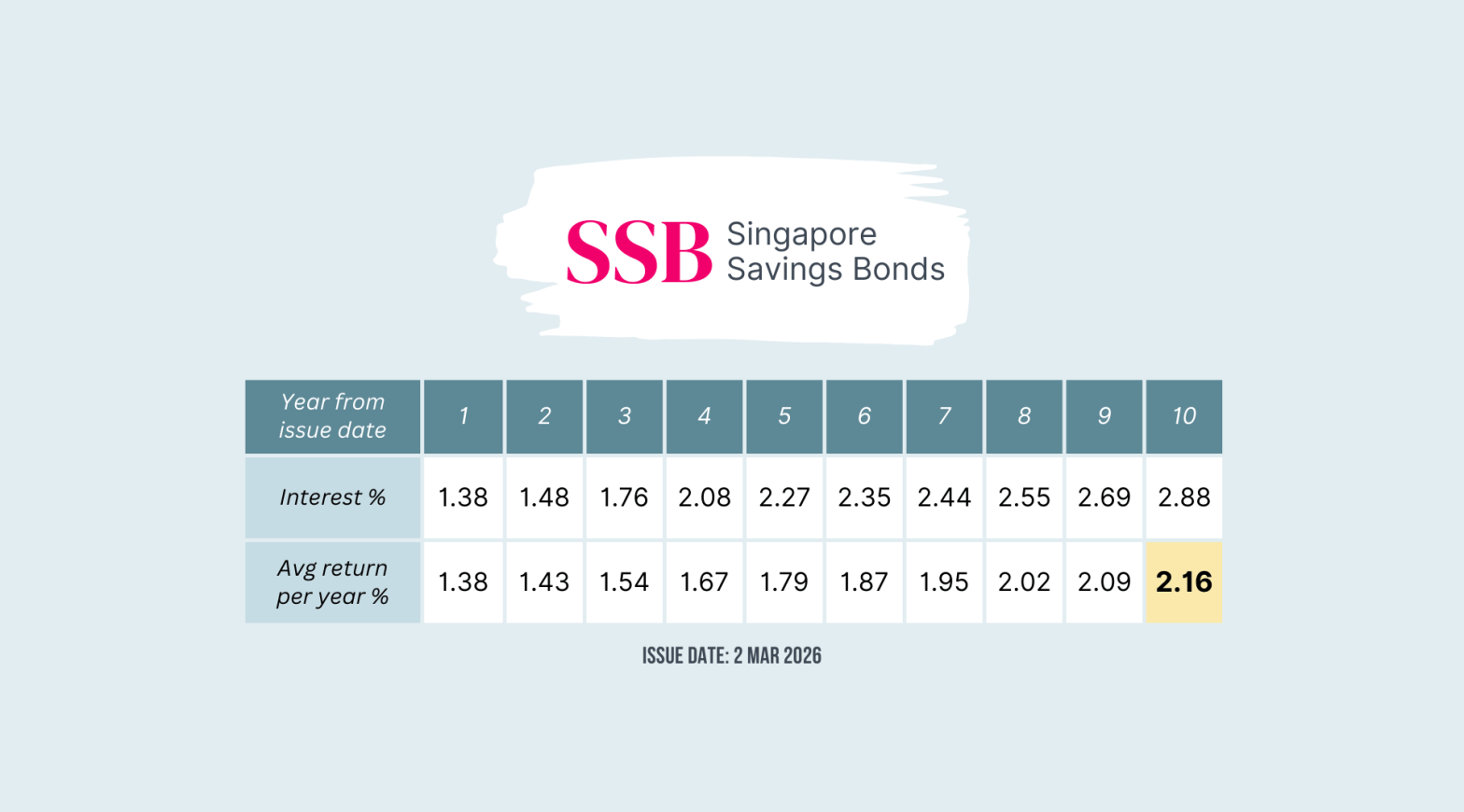
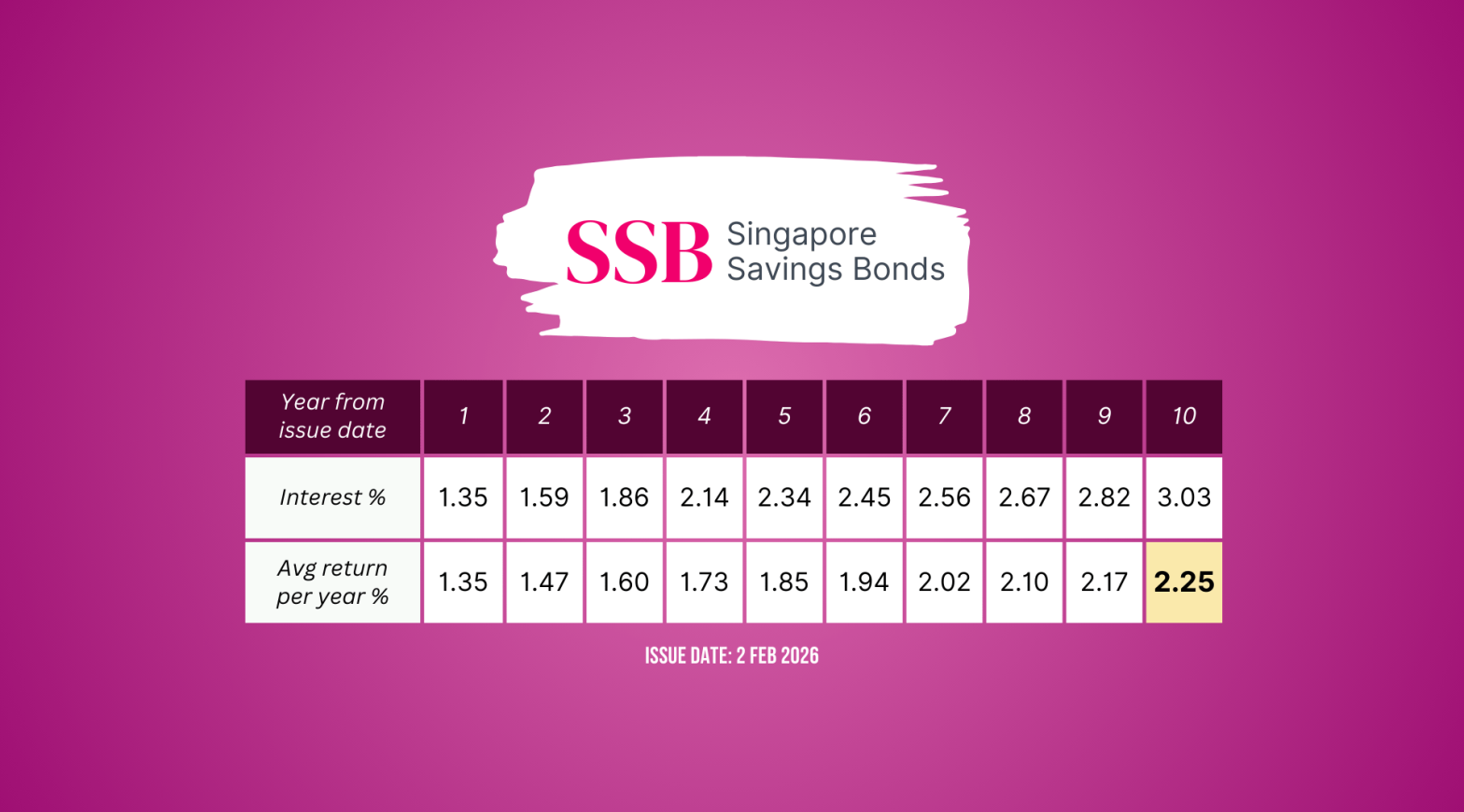
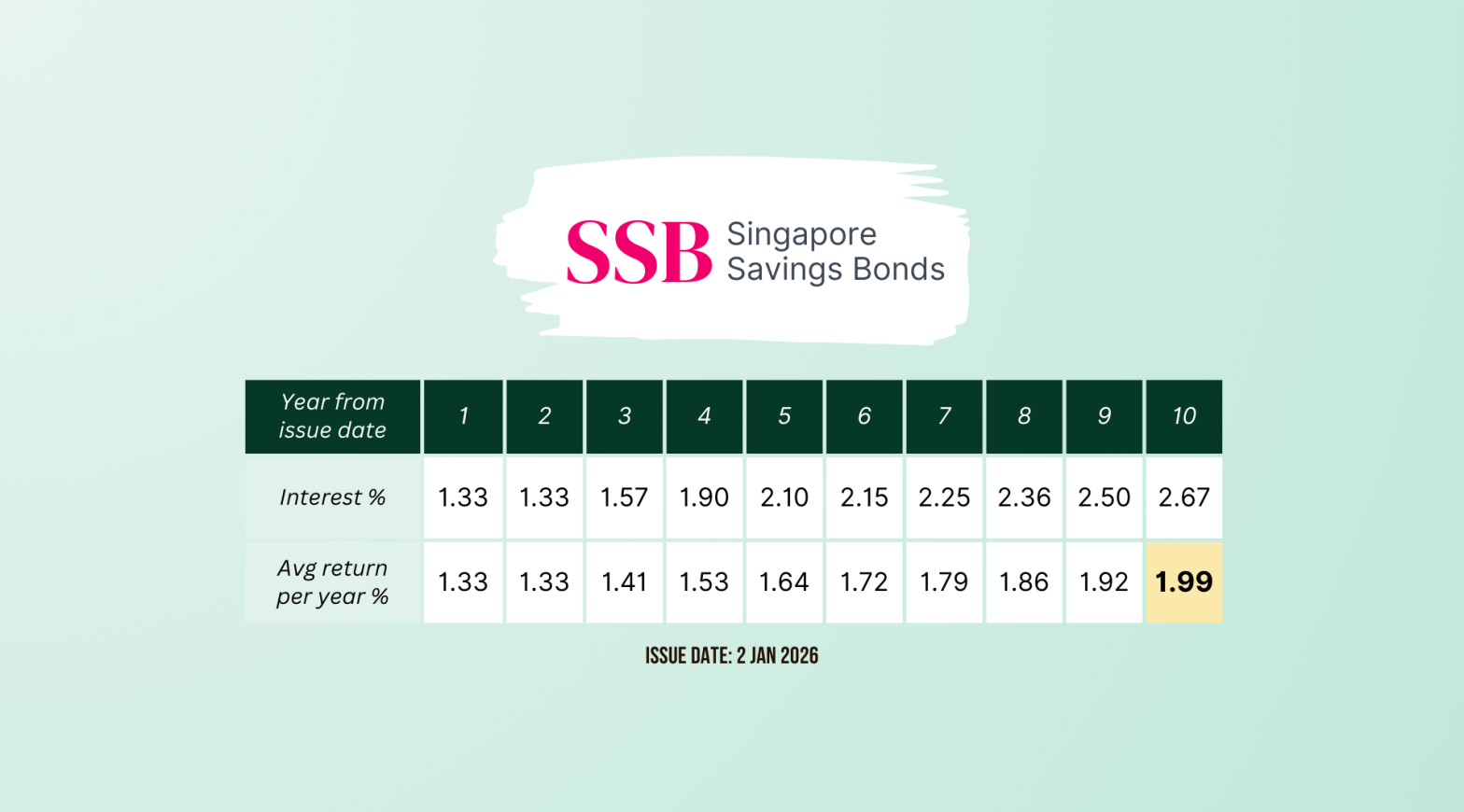
Generally, government bonds with solid credit ratings have lower risk than private corporate bonds. In Singapore, Singapore Savings Bonds (SSB) and Treasury Bills are among the lowest-risk fixed-income products you can access because the Singapore government issues and backs them and has the highest AAA credit rating. A fixed deposit has SDIC insurance protection of up to $75,000, making it one of the safest instruments.
That said, not all bonds are created equal. Some bonds issued by private entities may not be as safe as the one mentioned above. Please research the entities issuing the bonds before investing.
Stable and Guaranteed Return
When you invest in a fixed-income investment, you know in advance how much interest you will receive for the duration of your investment. This clarity greatly benefits investors who prefer stable investment performance without volatility. For investors in retirement, a stable, guaranteed return with no volatility can be the main deciding factor in choosing this investment type.
Consistent Income Stream
Bond investors receive interest payments at regular intervals, e.g., every six months. You buy, forget, and enjoy the regular payout. Many investors in retirement hold a form of fixed-income investment for this reason.
Diversification
With their unique risk profile and return characteristics, fixed-income investments can help diversify your overall portfolio. Suppose you have exposure to more volatile assets (such as stocks, precious metals, etc.). In that case, you can reduce your portfolio’s volatility by adding fixed-income products.
What about the risk?
Does fixed-income investing look too good to be true? As safe as they sound, there are also some potential risks that investors should be aware of:
Low Rate of Return
Due to their low-risk profile, fixed-income products typically provide a lower rate of return, exposing you to inflation risk. If inflation is higher than your investment return, inflation will erode your investment’s value over the long term. You will still lose purchasing power, even with interest payouts.
Default Risk
Although the initial principal is supposed to be guaranteed, there is a small risk that the entities guaranteeing the payment default (or go bankrupt). In this case, you may lose the principal and interest payouts. To minimize this risk, we should focus only on companies with the strongest fundamentals. To be even safer, you can also look for government-issued bonds. Generally, an entity with a higher credit rating should provide lower risk. For example, which would you trust more, a bond from the US government or the mom-and-pop pizza shop around your corner?
Liquidity Risk
Once you invest your capital, you commit to locking your money until maturity and, in return, receive interest payouts. That means you lose liquidity until you get your capital back at maturity. Some instruments may allow early termination, and some are tradable in the market, but generally, they have lower liquidity.
Examples of Fixed Income Investment
Bonds
Companies and governments typically issue bonds to fund their operation. They have fixed maturity dates and fixed interest payouts. You receive regular interest payments throughout the bond’s duration, and you get your principal back at maturity.
Treasury Bills (T-Bills)
T-Bills are short-term government bonds issued and backed by the government. T-Bills are among the lowest-risk investments suitable for investors with a lower-risk profile. T-Bills are sold at a discount to their face value, meaning investors pay less than face value when they purchase them. At maturity, investors will receive the full face value of the T-bill. The discount is the investors’ profit.
Fixed Deposits
A bank issues a fixed deposit. You lock your capital for a fixed duration and receive your initial principal plus the pre-agreed fixed interest at maturity. Investing in a fixed deposit issued by a federally regulated bank gives you insurance in case of bank default. Please note that there is a limit to the amount insured. For example, in Singapore, the insurance is only up to $75,000, a relatively small amount.
Should I have Fixed Income Investment in My Portfolio?
With the pros and cons of fixed income investment, the answer depends on your risk profile and investing objectives. Everyone has different risk tolerance and goals, so do your own research to see if this type of investment fits your criteria.
Most investors hold a combination of growth and fixed income in their portfolios. Younger investors can afford to take higher risks and have a longer investment horizon, so they often favor more growth in their portfolios. As they grow older, the fixed-income portion tends to rise. Fixed-income investments can help you enjoy retirement with more stability.